The Hidden Pun in Inferno V: How Galeotto Means Three Things at Once

The Hidden Pun in Inferno V: How Galeotto Means Three Things at Once

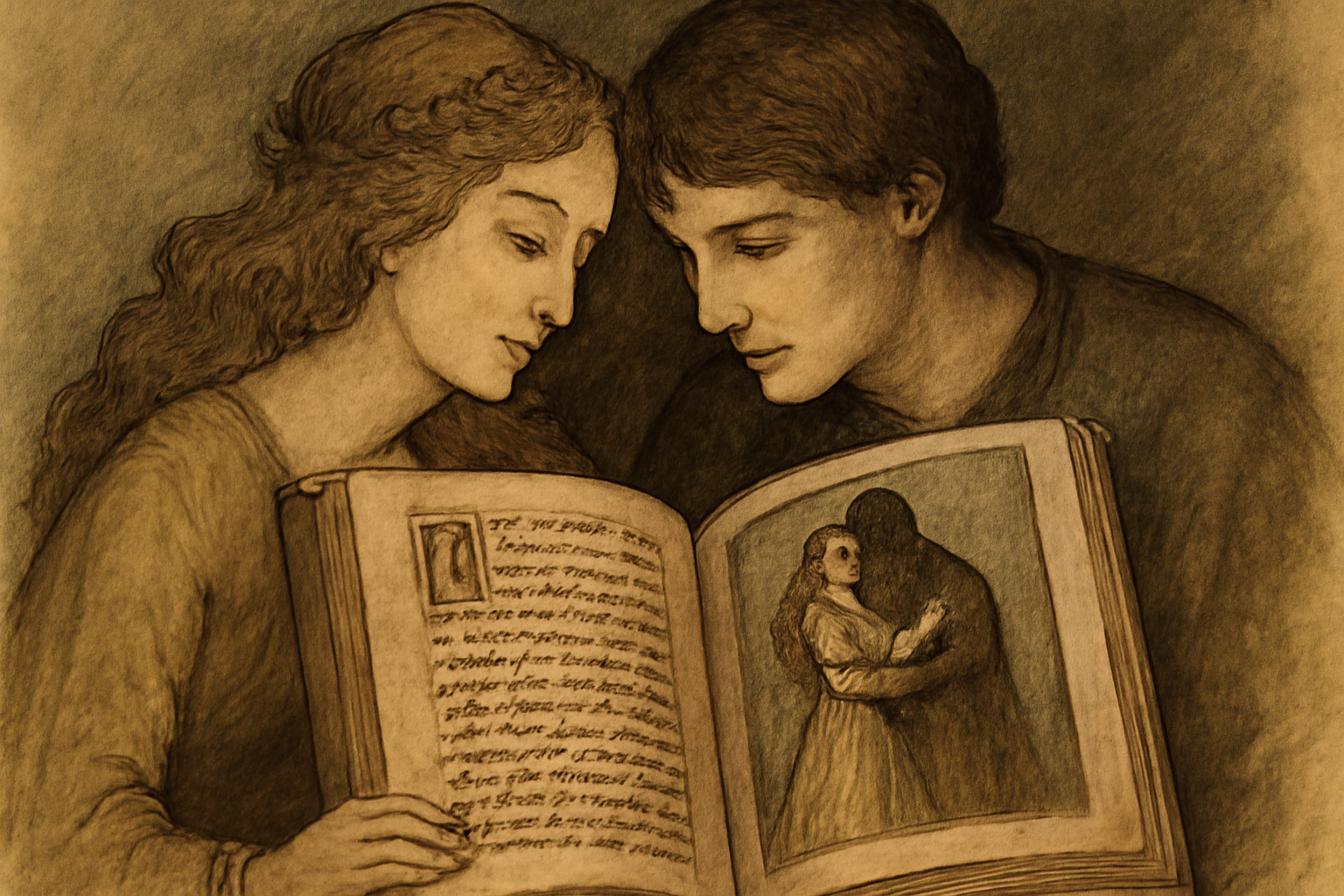
When I finally understood what “Galeotto” means, the entire Francesca episode snapped into sharper focus. This single word does three things at once—and most English readers never see it. Here’s the line that changed everything for me. Francesca says: “Galeotto fu ‘l libro e chi lo scrisse.” In English, we usually read: “A Galehaut was … Read more

Dantes Number Obsession: Why 3, 9, and 100 Shape the Entire Commedia

Dantes Number Obsession: Why 3, 9, and 100 Shape the Entire Commedia

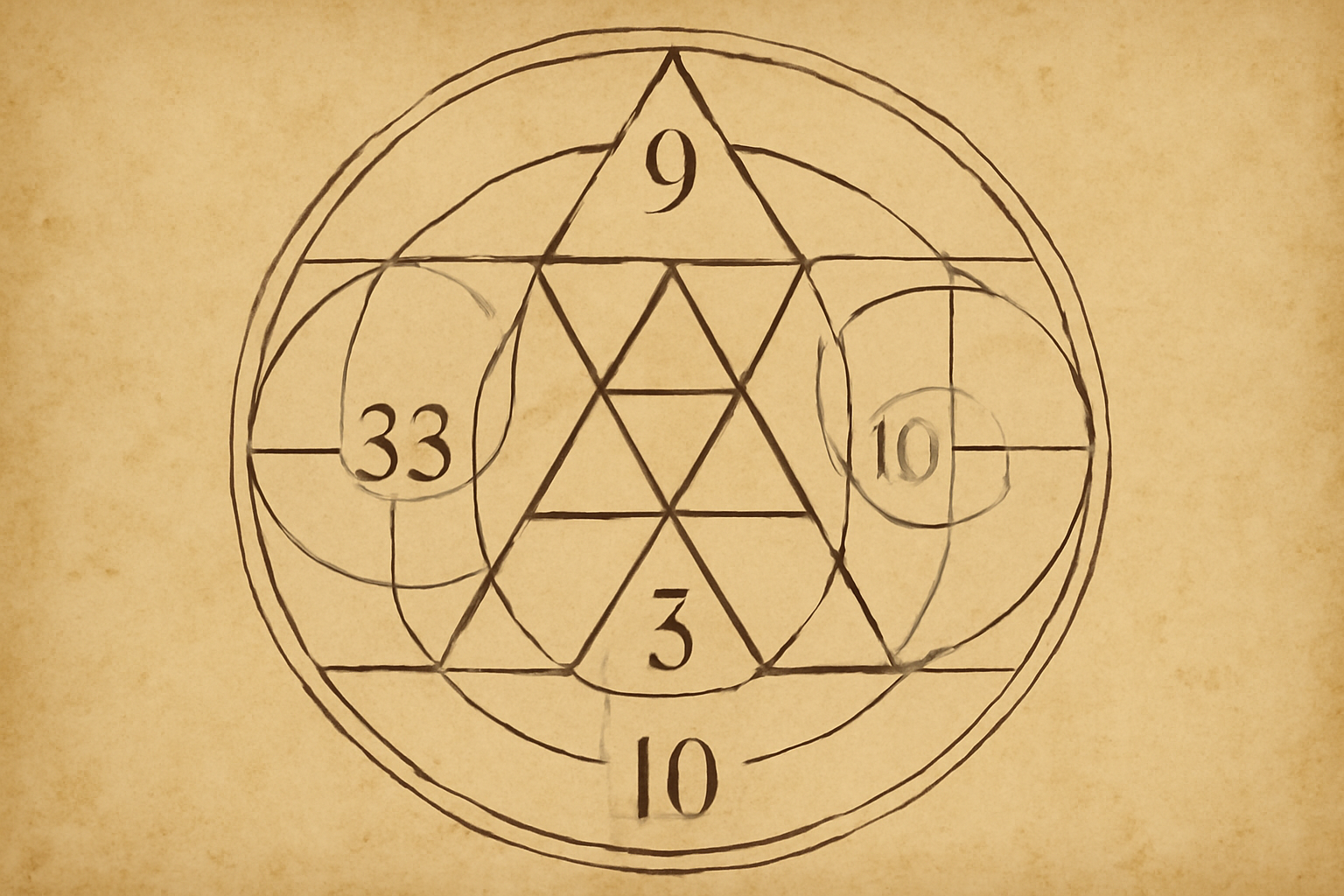
“`html Once you start counting in Dante, you can’t stop. The numbers aren’t decorative flourishes—they ARE the architecture. Every tercet, every circle, every celestial sphere obeys a mathematical logic that mirrors medieval theology itself. Dante didn’t just write a poem. He built a universe. The Trinity Rules Everything The number 3 haunts the Divine Comedy. … Read more

Stars: Why Dante Ends Every Canticle with the Same Word

Stars: Why Dante Ends Every Canticle with the Same Word

Dante doesn’t do anything by accident. This principle—sacred to anyone who has spent time in the Commedia—becomes almost painfully obvious when you notice what happens at the end of each canticle. Inferno closes with “stelle.” Purgatorio ends with “stelle.” Paradiso concludes with “stelle.” Three canticles. One final word. Repeated three times. The endings deserve quotation: … Read more