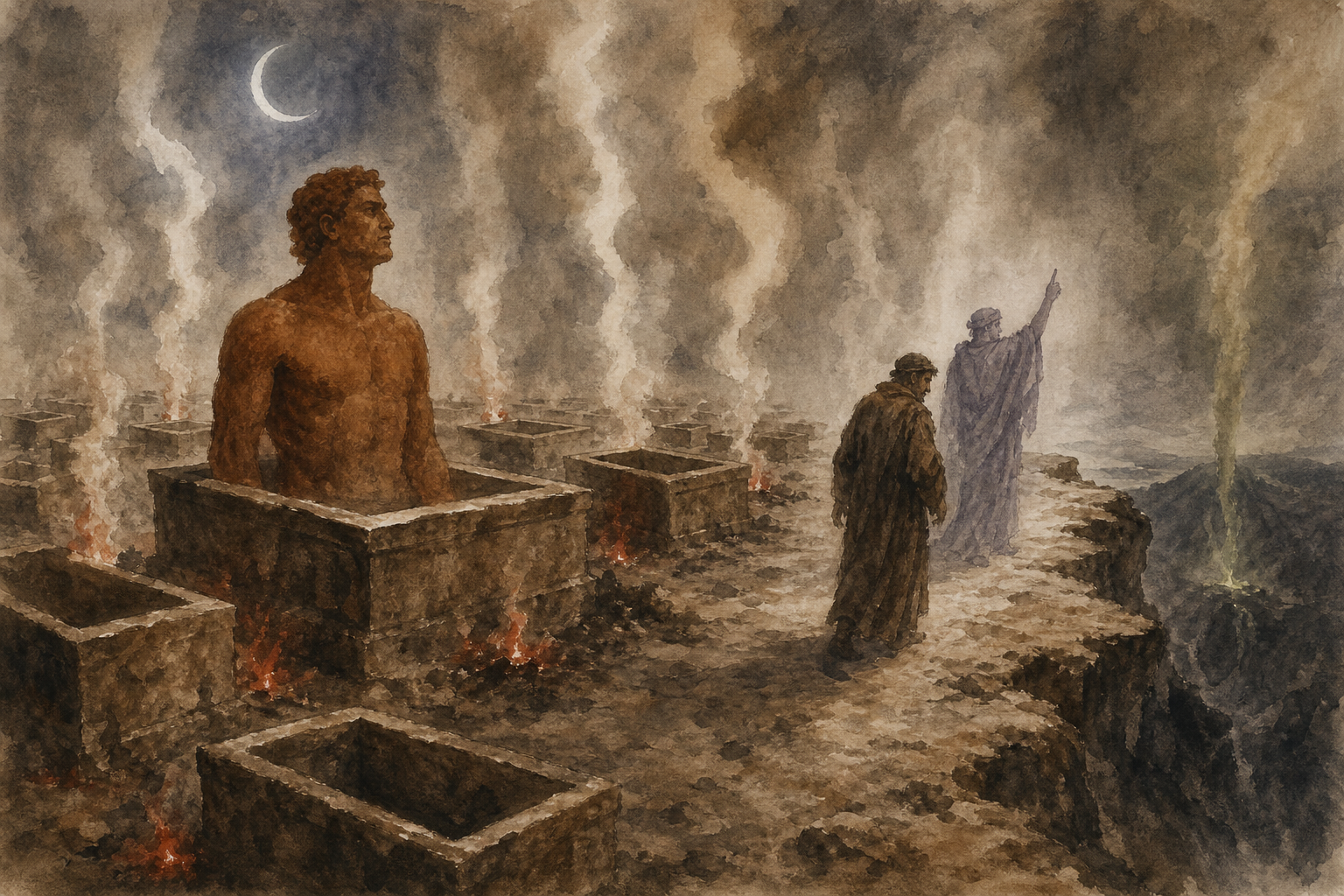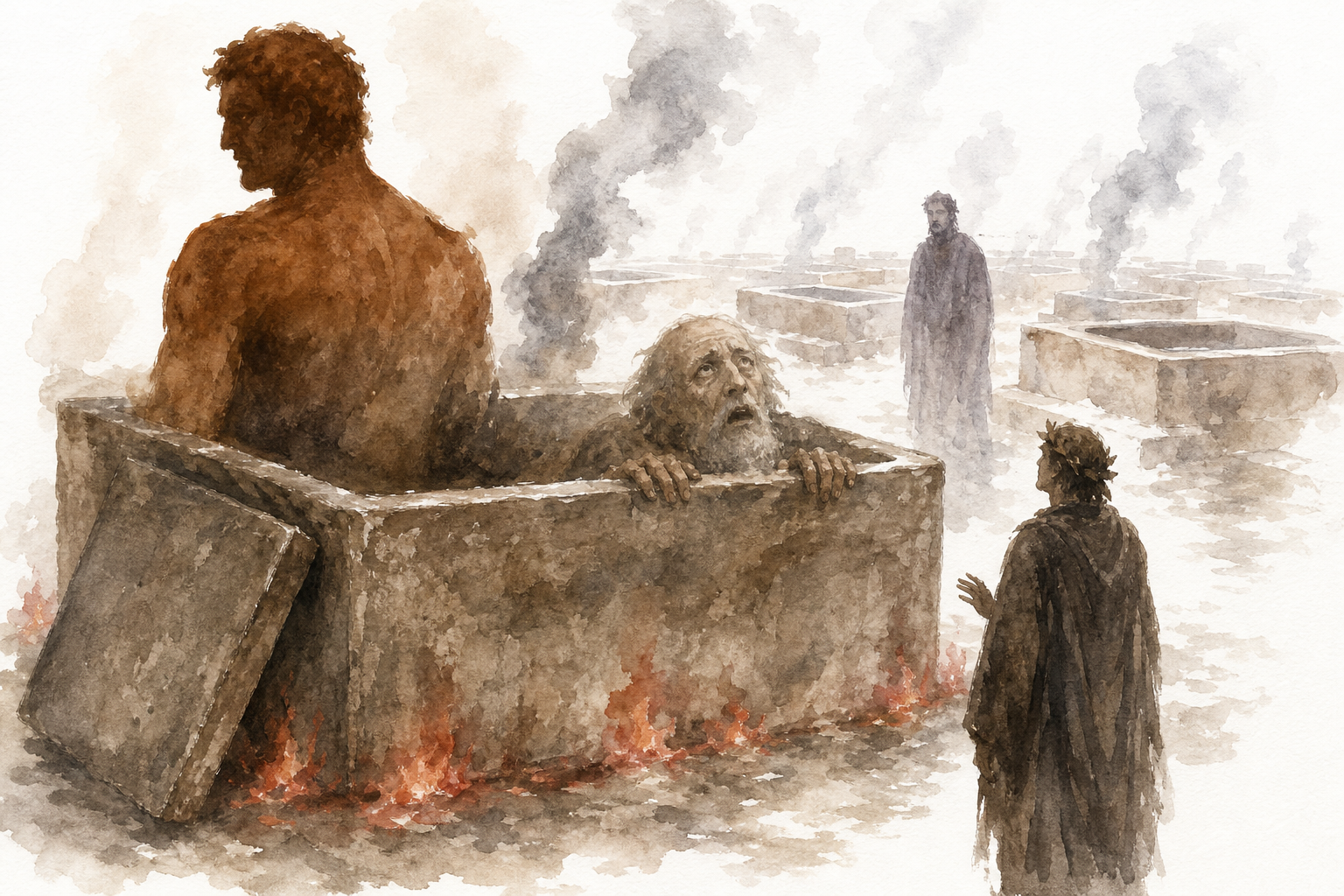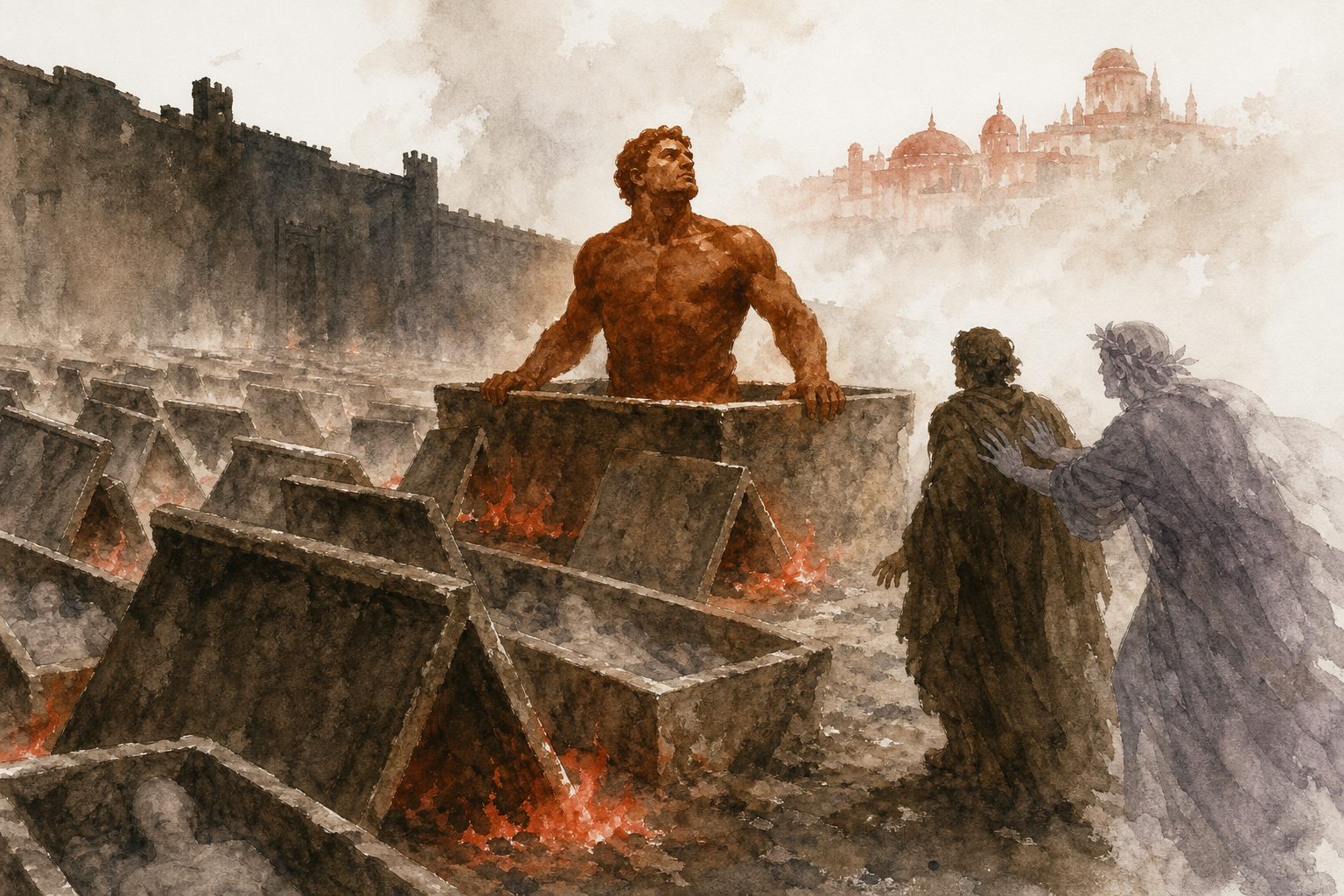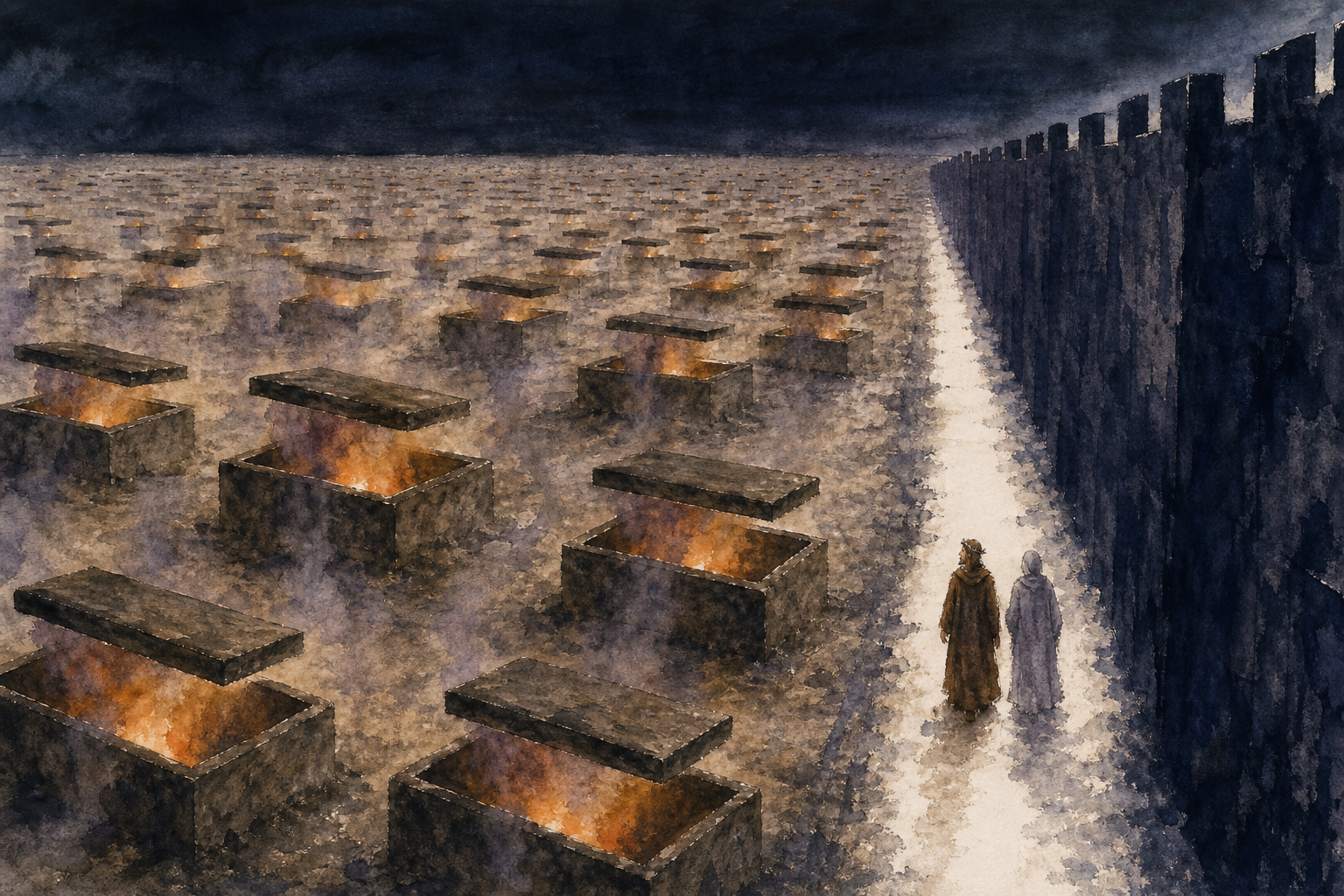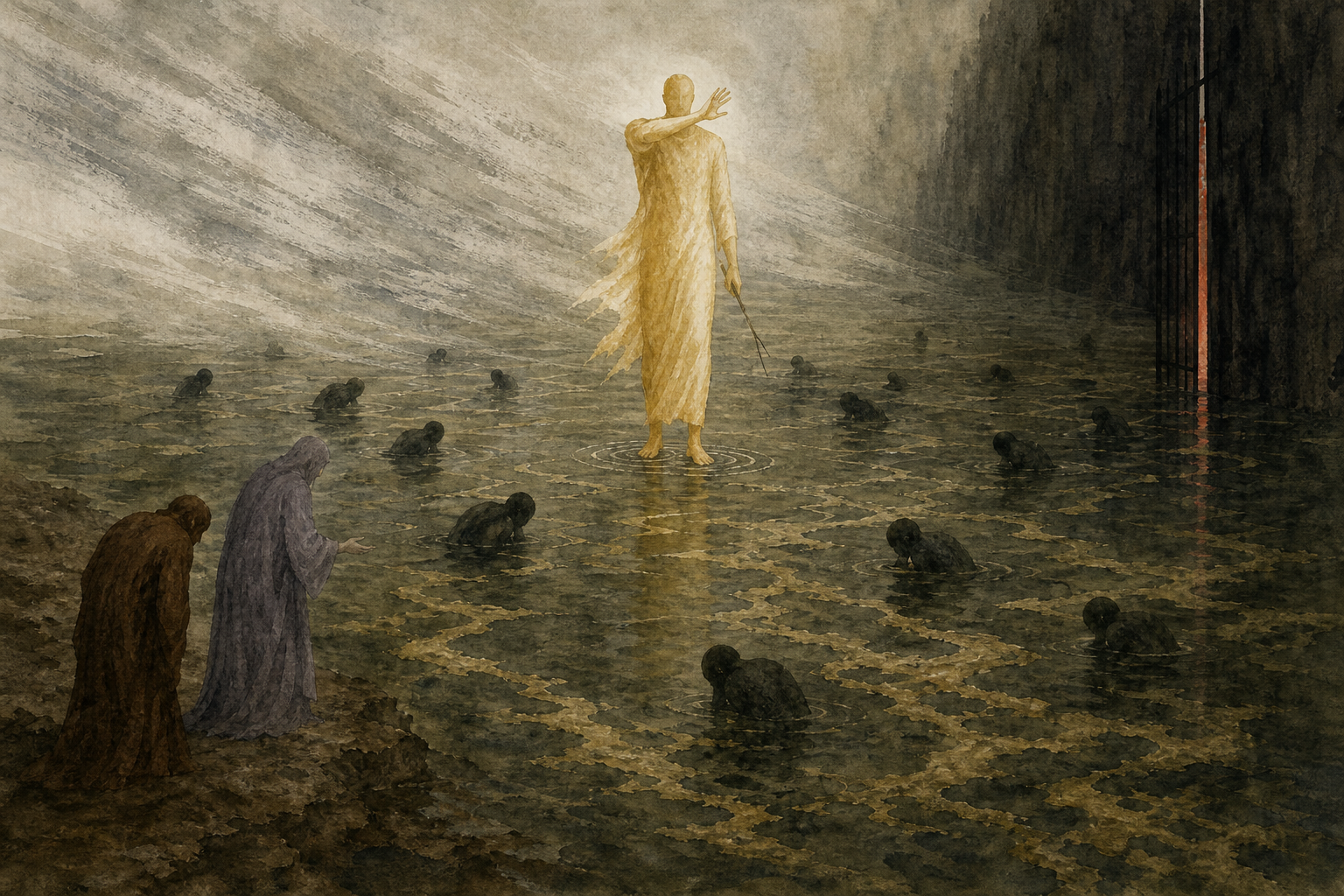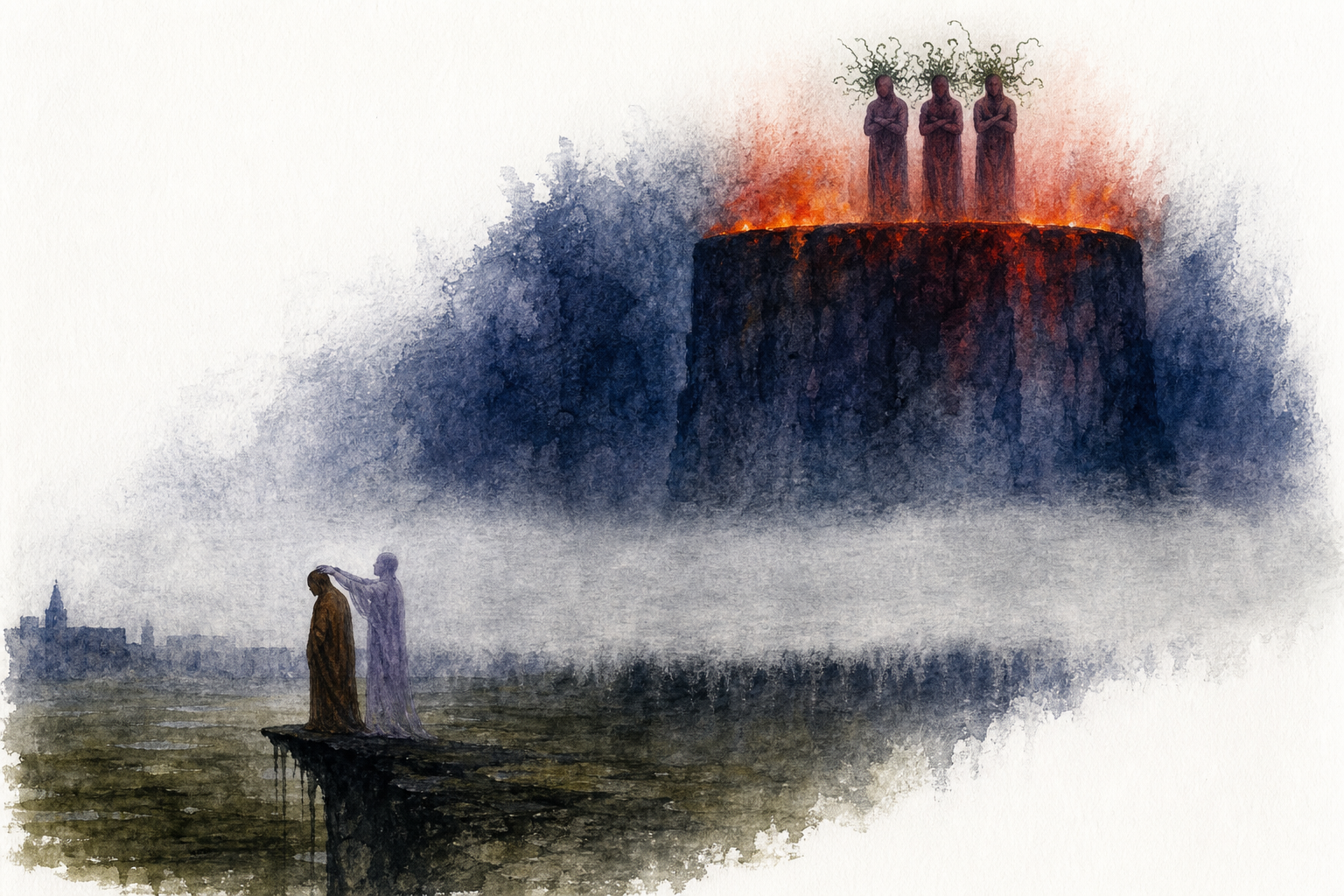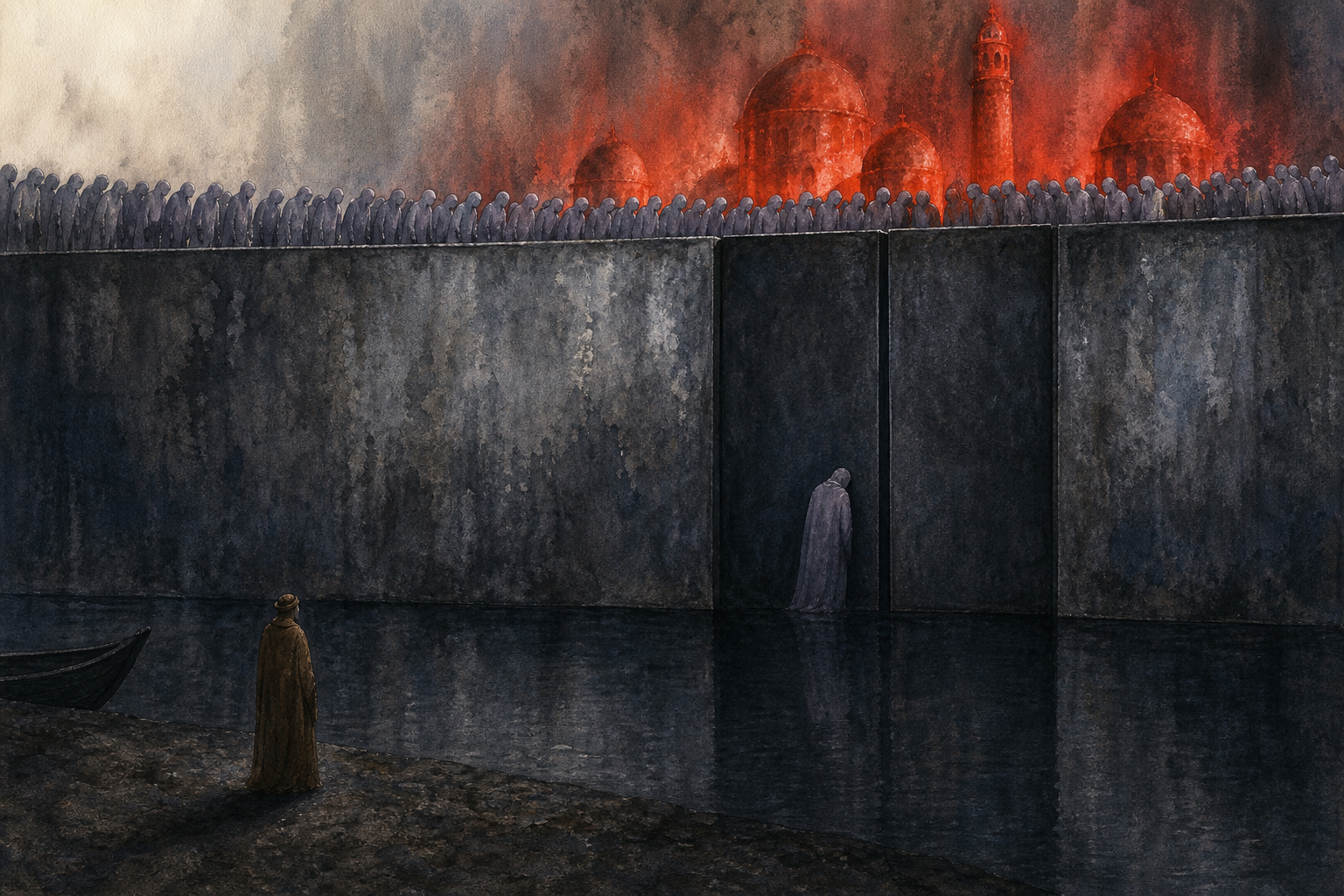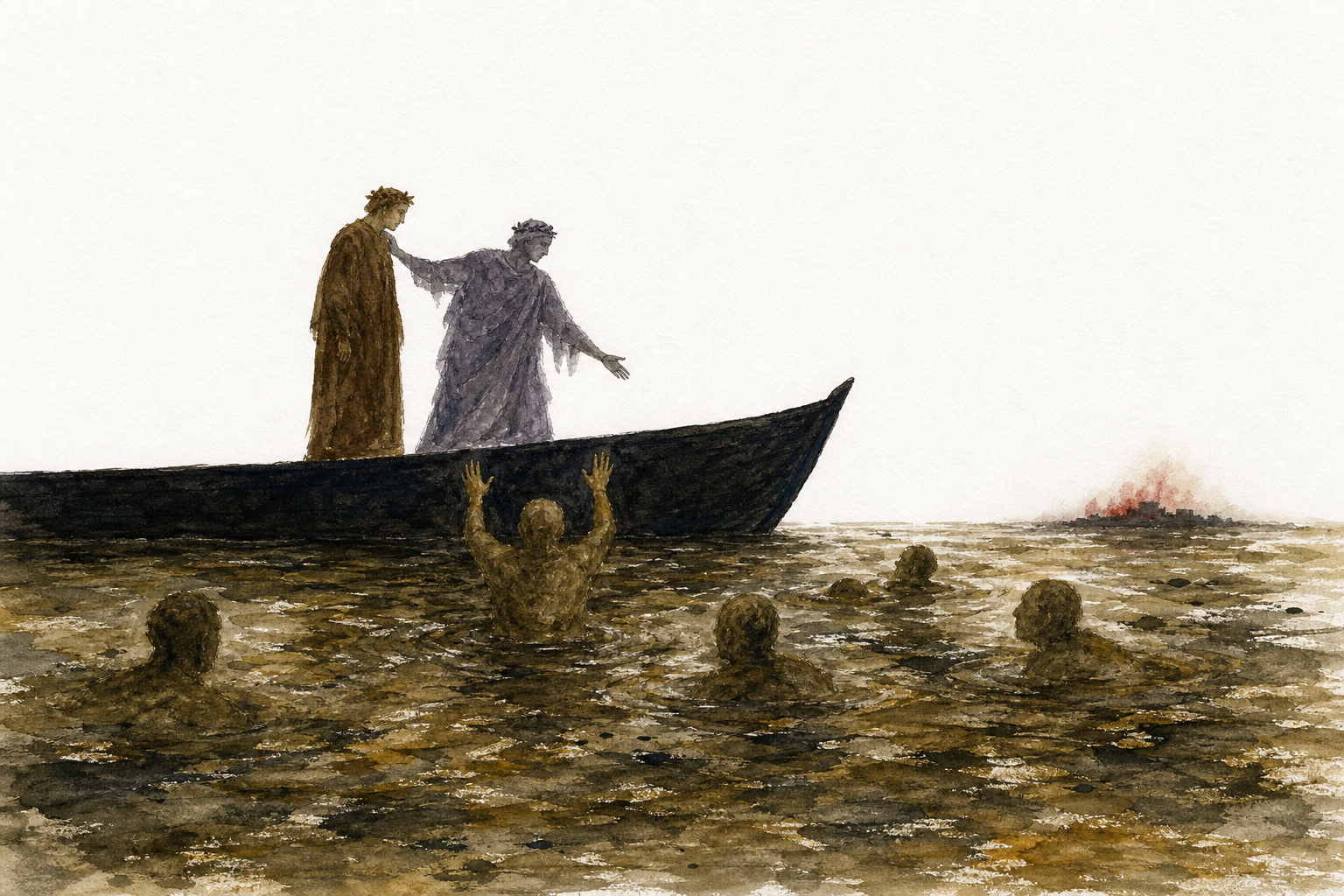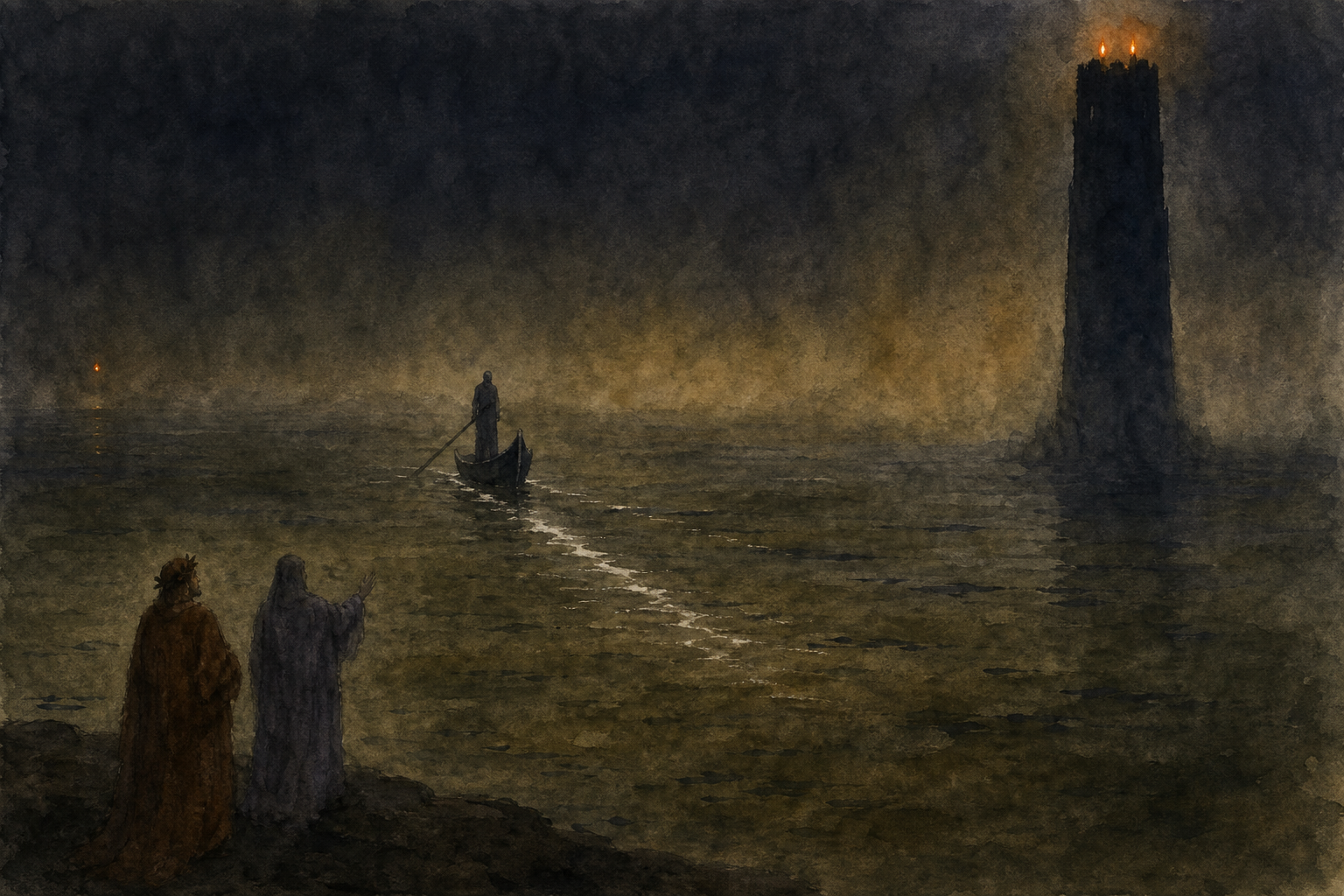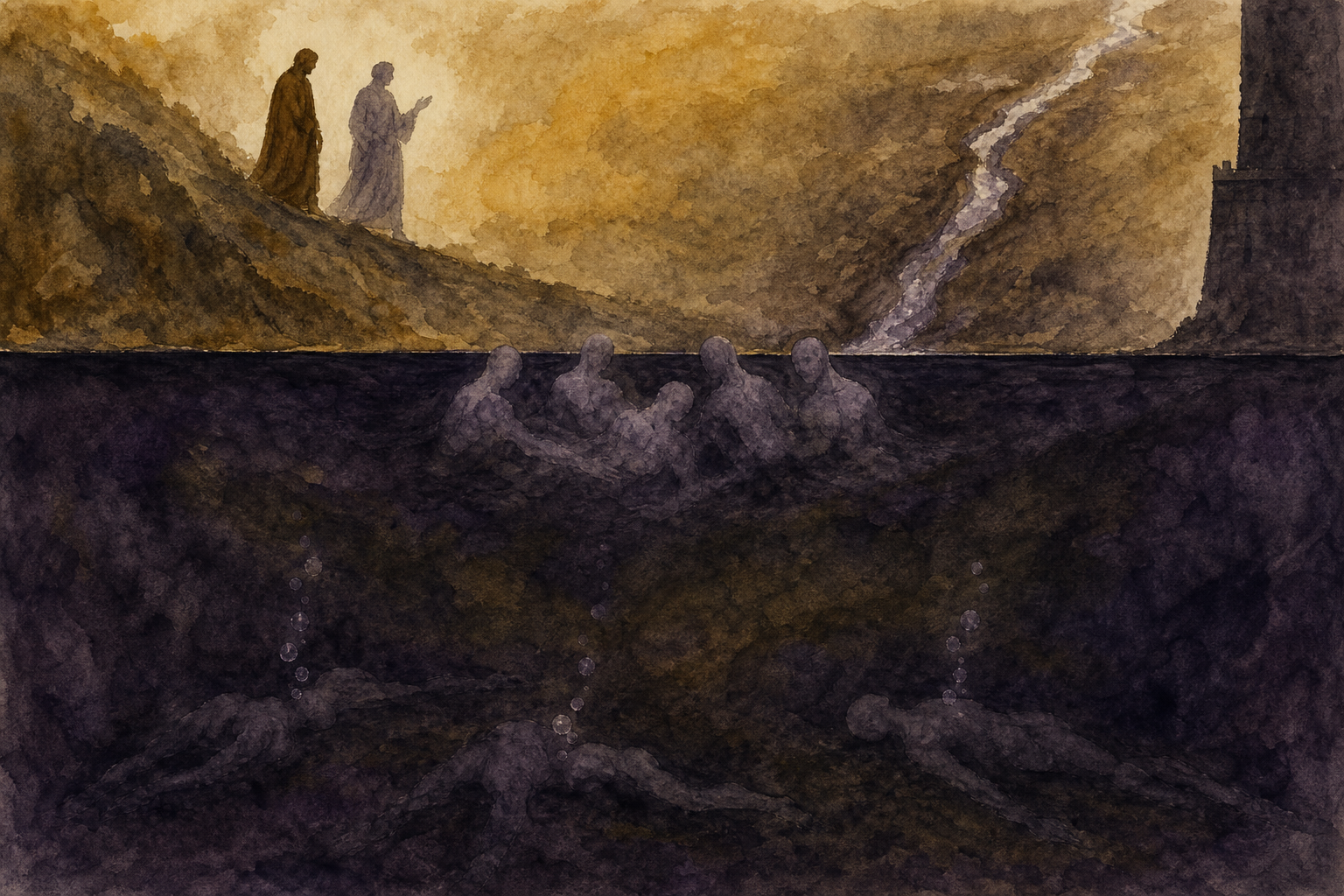
The Three Beasts — Inferno, Canto 1

The Three Beasts  Inferno 1

The Three Beasts Dante Inferno (Canto 1, lines 31–60) opens one of the most debated passages in all of medieval literature. This post traces seven centuries of scholarly reading, presents the competing interpretive camps, and preserves the questions Dante left unresolved. Inferno · Canto 1 · Lines 31–60 · Scene 2 DIVINE COMEDY · SCENE … Read more

The Dark Wood — Inferno, Canto 1

The Dark Wood  Inferno 1

The Dark Wood Dante Inferno (Canto 1, lines 1–30) opens one of the most debated passages in all of medieval literature. This post traces seven centuries of scholarly reading, presents the competing interpretive camps, and preserves the questions Dante left unresolved. Inferno · Canto 1 · Lines 1–30 · Scene 1 DIVINE COMEDY · SCENE … Read more

The Ulysses Problem: Canto XXVI and What Gets Lost Between Italian and English

The Ulysses Problem: Canto XXVI and What Gets Lost Between Italian and English

Canto XXVI of Dante’s Inferno is a masterpiece of deliberate ambiguity. Sit with it long enough, and you realize something unsettling: every translation you read pushes you toward a different moral conclusion about the same text. This is not a bug in translation. It’s the feature that makes this canto endlessly alive. I’ve spent years … Read more

From Longfellow to Mary Jo Bang: 150 Years of Translating the Inferno Into American English

From Longfellow to Mary Jo Bang: 150 Years of Translating the Inferno Into American English

Translations · 1800 words · Updated with expanded scholarship America’s Strange Obsession With Translating Dante Here is a paradox worth sitting with: the United States, a country with no medieval Catholic heritage, no Romance language in its founding culture, and a constitutional suspicion of Old World hierarchies, has produced more significant English translations of Dante’s … Read more

Lost in Translation: Italian Words in Dante That Have No English Equivalent

Lost in Translation: Italian Words in Dante That Have No English Equivalent

Some of Dante’s most important words don’t have English equivalents. They sit in a gap between Italian and English, refusing to be pinned down. Every translator faces this gap. Every choice sacrifices something. This isn’t a failure of English. It’s an invitation to wonder: what does a language reveal by what it CAN’T say? What … Read more

The Gate of Hell in Six Translations: How One Inscription Becomes Six Different Warnings

The Gate of Hell in Six Translations: How One Inscription Becomes Six Different Warnings

I spent an entire weekend last fall comparing twelve different English translations of nine Italian lines. Nine lines! The Gate of Hell inscription from Dante’s Inferno, Canto III. Those nine lines broke my heart open in twelve different ways. What started as curiosity became obsession. Each translator made choices that fundamentally altered Hell’s entrance. Some … Read more

Why Every English Translation of Dantes Inferno Reads Like a Different Poem

Why Every English Translation of Dantes Inferno Reads Like a Different Poem

I own thirteen English translations of Dante’s Inferno. Thirteen. Some sit gathering dust on my shelf. Others I’ve marked up so heavily they barely close. But here’s the strange thing: if I hand you Longfellow’s version and then Ciardi’s, you’d think they translated different poems entirely. The opening canto reads like a funeral dirge in … Read more

Nel Mezzo Del Cammin: What Dantes First Line Really Means And Why Translators Disagree

Nel Mezzo Del Cammin: What Dantes First Line Really Means And Why Translators Disagree

Every Italian schoolchild knows these seven words by heart. They’re the opening of Dante’s Divine Comedy, the most famous line in Italian literature. Yet ask ten translators to render them into English, and you’ll get ten different poems. Nel mezzo del cammin di nostra vita — Dante Alighieri, Inferno, Canto I, Line 1 I’ve spent … Read more

Terza Rima in English: Why Almost No Translator Can Reproduce Dantes Rhyme Scheme

Terza Rima in English: Why Almost No Translator Can Reproduce Dantes Rhyme Scheme

“`html Have you ever read a poem that physically pulled you forward? That’s terza rima. Dante didn’t invent it, but he perfected it—and in doing so, he created one of literature’s most diabolical translation problems. Let me show you what I mean. What Makes Terza Rima So Mesmerizing Terza rima is a rhyme scheme of … Read more

Francescas Voice: How Translators Shape the Most Heartbreaking Scene in Dante

Francescas Voice: How Translators Shape the Most Heartbreaking Scene in Dante

I have read Dante’s Canto V perhaps forty times. Each time, I weep. Not because I don’t understand it—I do—but because understanding it feels impossible. This is the paradox of the Francesca da Rimini episode: it moves us most when we’re uncertain what we should feel. The text itself doesn’t change. But the translation does. … Read more