Words Dante Used That Modern Italian Lost: A Medieval Tuscan Vocabulary Guide

Words Dante Used That Modern Italian Lost: A Medieval Tuscan Vocabulary Guide
I learned the hard way that a modern Italian dictionary won’t help with half of Dante’s vocabulary. When I first tackled the Divine Comedy, I’d look up a word, find nothing, panic, then discover it was perfectly common in 14th-century Tuscany. That gap between medieval Italian and modern Italian is where reading Dante gets tricky—and … Read more
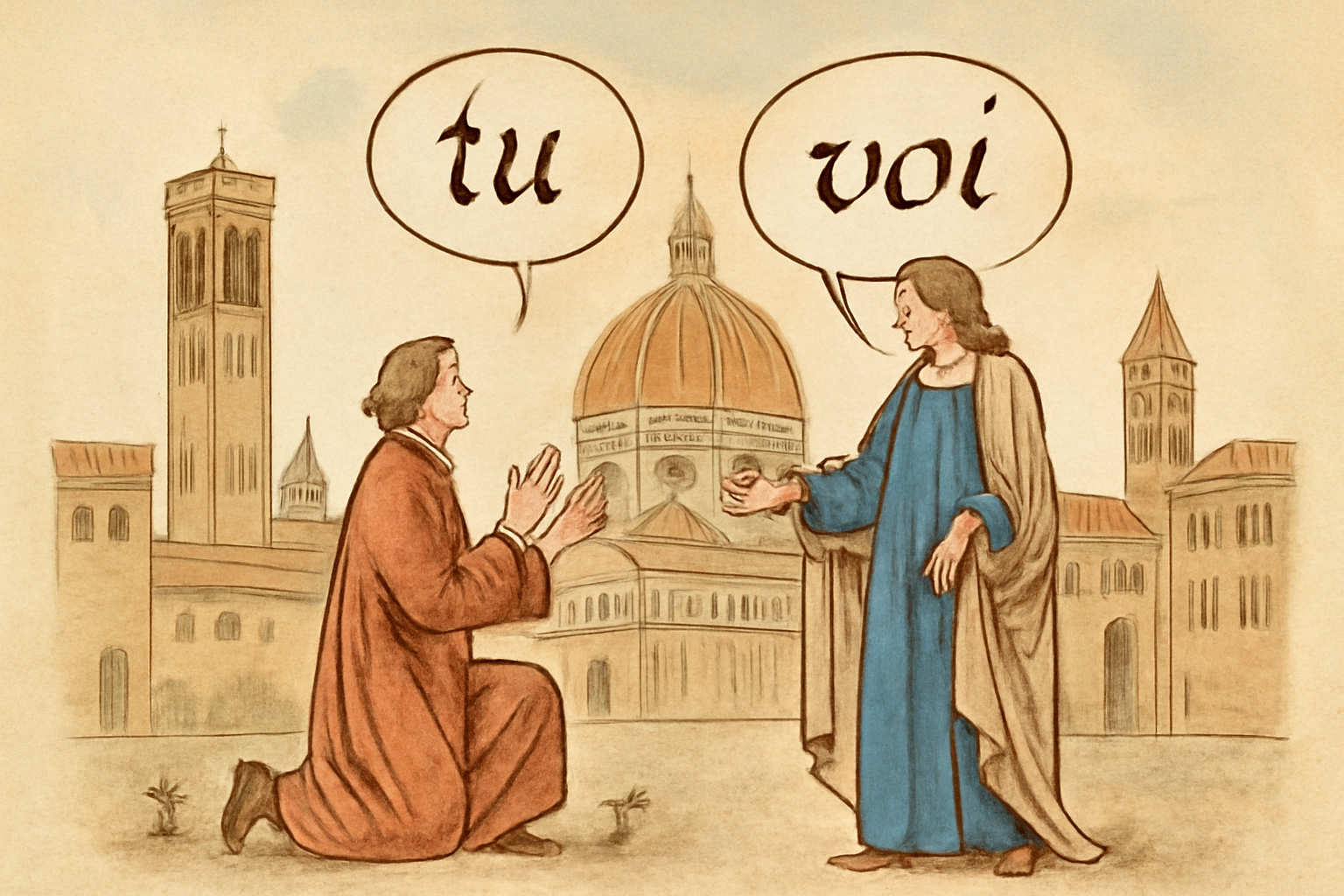
A Pocket Guide to Dantes Pronouns: Tu, Voi, and the Politics of Address

A Pocket Guide to Dantes Pronouns: Tu, Voi, and the Politics of Address

I didn’t realize how much drama was hidden in Dante’s pronoun choices until someone pointed it out. Now I can’t un-see it. Every time I reread the Commedia, I catch myself watching for those tiny Italian words—tu and voi—like they’re secret messages written in plain sight. And honestly? They are. In medieval Tuscan Italian, the … Read more

Contrapasso Explained: The Moral Logic Behind Every Punishment in Dante

Contrapasso Explained: The Moral Logic Behind Every Punishment in Dante

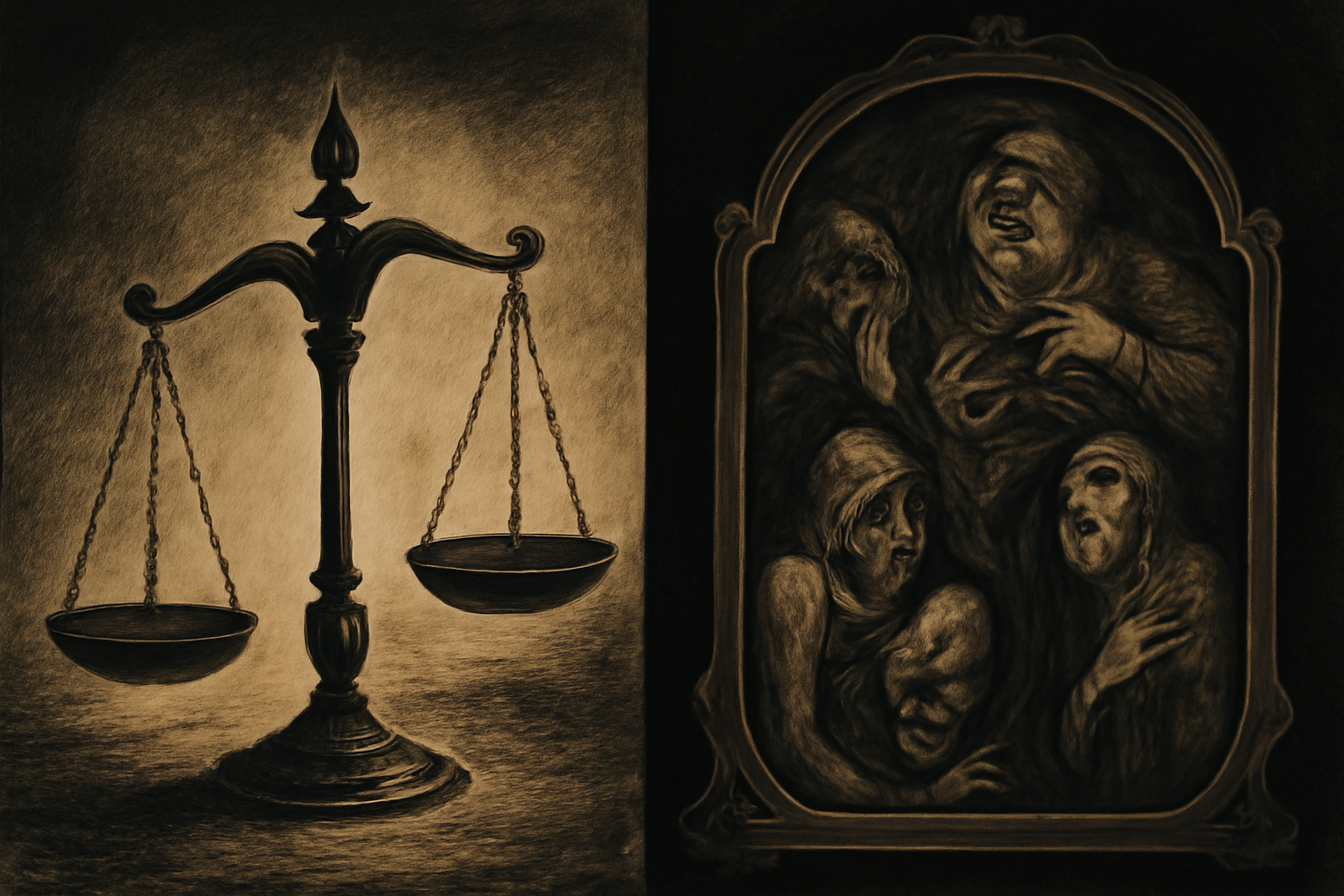
Contrapasso is the organizing principle that makes Dante’s Hell not a warehouse of arbitrary torments, but a mirror of moral truth. Once you understand it, the entire architecture of the Inferno clicks into place. Every punishment doesn’t just fit the sin—it reveals what the sin actually was. The word itself comes from Latin: contra (against) … Read more

The Beatific Vision: What Dante Sees at the End of Paradiso and Why It Matters

The Beatific Vision: What Dante Sees at the End of Paradiso and Why It Matters

I spent months reading Paradiso without understanding where the poem was actually going. Canto after canto of Dante ascending through spheres of light, meeting saints and theologians—it felt magnificent, but untethered. Then I grasped the Beatific Vision, and everything clicked. The entire Divine Comedy, all three canticles, exists as a single arrow pointing toward this … Read more

Limbo, Purgatory, and the Harrowing of Hell: Dantes Afterlife Geography Explained

Limbo, Purgatory, and the Harrowing of Hell: Dantes Afterlife Geography Explained

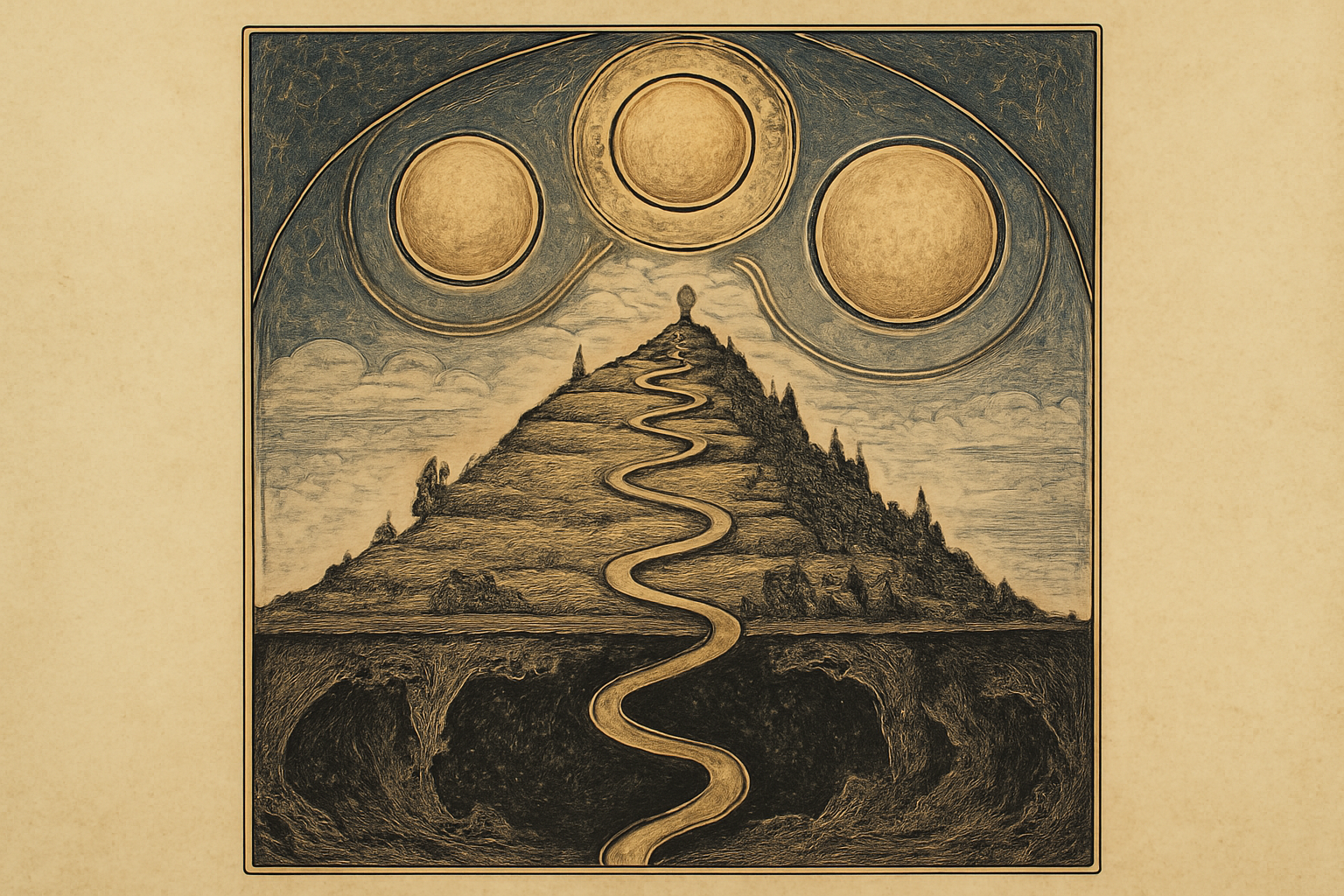
“`html Dante’s Divine Comedy isn’t just poetry—it’s a cosmic blueprint. His afterlife has geography, physics, and logic. Understanding the map unlocks the theology. Think of it this way: in Dante’s universe, distance from God measures everything. Where you are tells you who you are. Hell: A Funnel to Nowhere Hell is a vast cone boring … Read more

Grace, Free Will, and Predestination: The Theological Debate Running Through the Commedia

Grace, Free Will, and Predestination: The Theological Debate Running Through the Commedia

By Lucy Bamboo Why does Dante place some souls in Paradise and others in Hell? The answer hinges on a medieval theological puzzle: How do grace and free will coexist? This tension doesn’t just shape the poem’s architecture—it defines who gets saved. The Problem Dante Inherited Dante follows Thomas Aquinas, the greatest medieval theologian. Aquinas … Read more

Farinata degli Uberti: The Ghibelline Hero Dante Put in Hell But Couldnt Stop Admiring

Farinata degli Uberti: The Ghibelline Hero Dante Put in Hell But Couldnt Stop Admiring

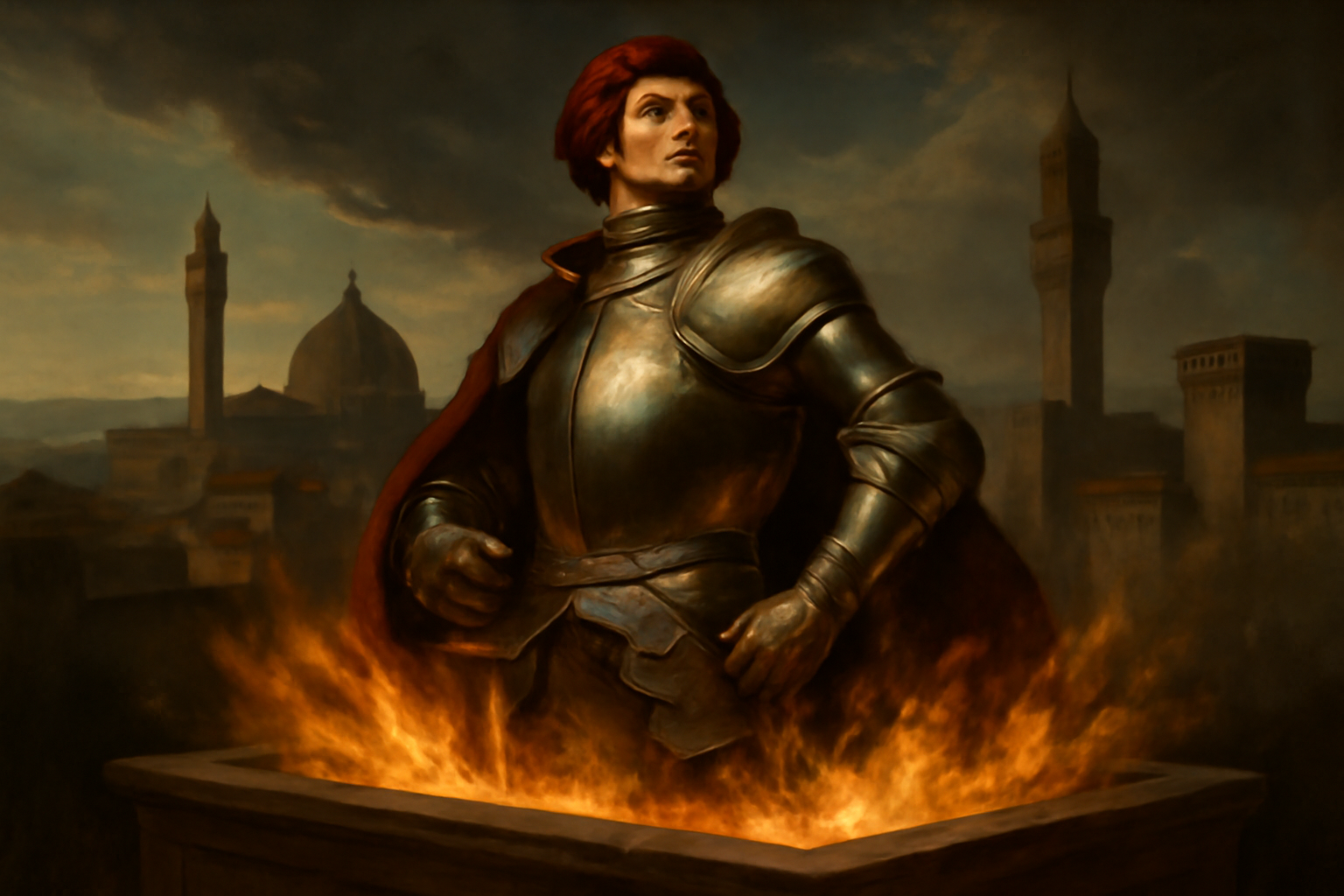
Lucy Bamboo explores Canto X’s greatest marvel: a political enemy rendered with unmistakable admiration, rising from his tomb in Hell as if the place itself were beneath him. The Heretic in His Tomb Dante descends into the sixth circle of Hell—the circle of heresy—and encounters something unforgettable. Flaming open tombs stretch across a landscape of … Read more

Brunetto Latini: The Teacher Dante Loved and Placed in Hell

Brunetto Latini: The Teacher Dante Loved and Placed in Hell

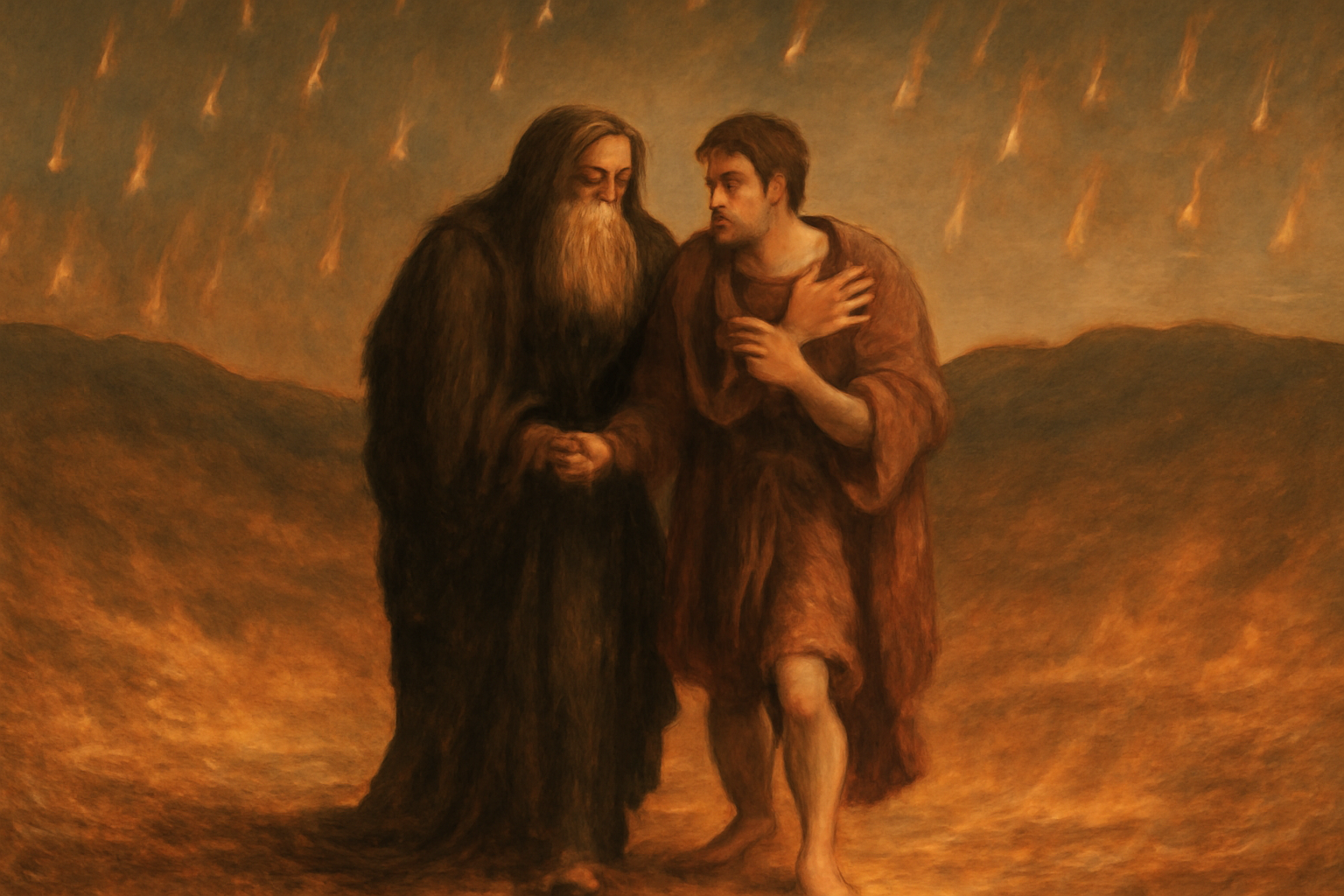
One of the most heartbreaking moments in all of literature occurs in Dante’s Inferno, Canto XV. The poet encounters his beloved teacher, Brunetto Latini, walking eternally across burning sand beneath a rain of fire. What makes this scene unbearable is not the punishment itself, but Dante’s tenderness toward the damned. Dante addresses Brunetto with the … Read more

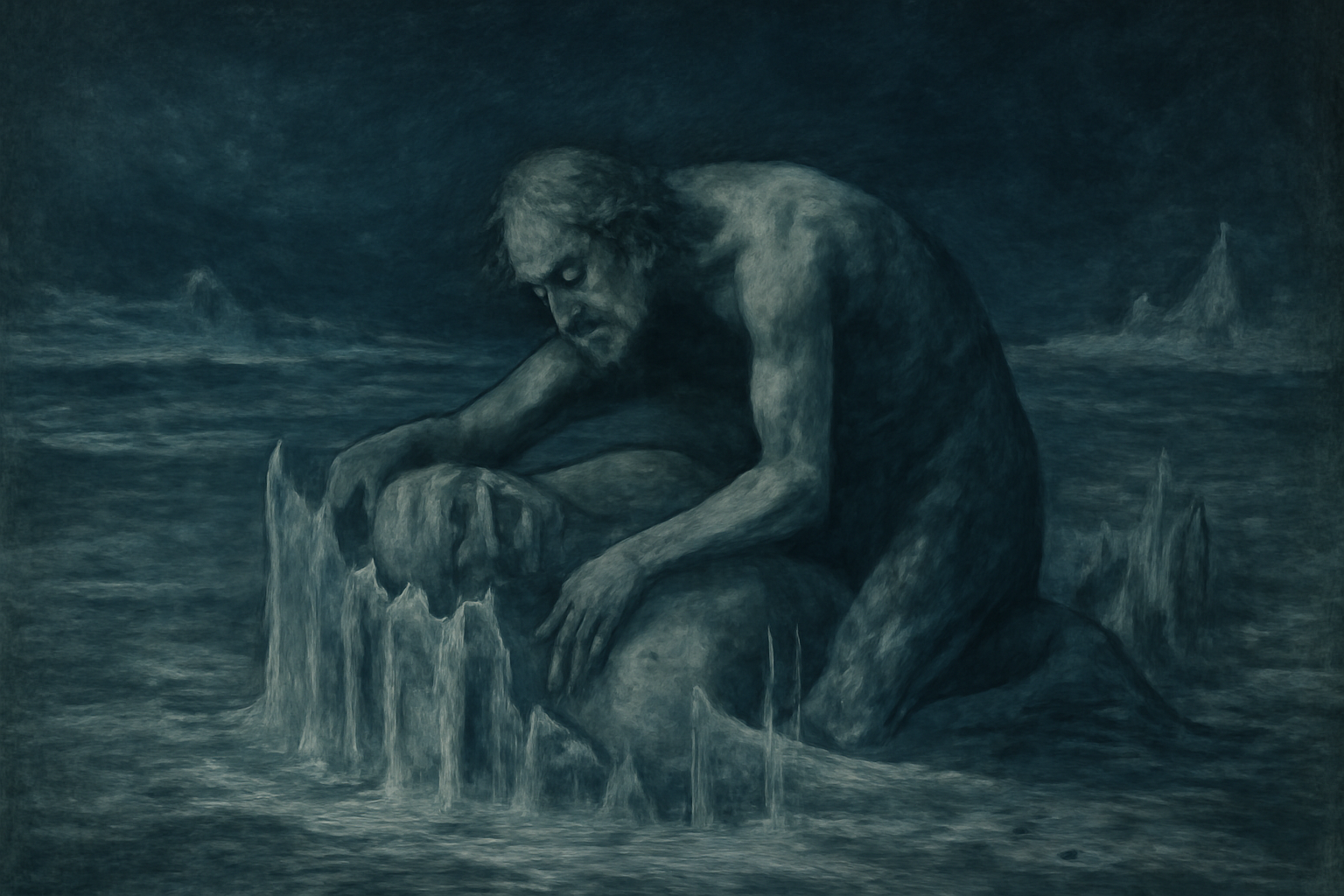
Count Ugolino: Cannibalism, Betrayal, and the Darkest Scene in the Inferno

Count Ugolino: Cannibalism, Betrayal, and the Darkest Scene in the Inferno

By Lucy Bamboo I first read Canto XXXIII of Dante’s Inferno on a winter afternoon. Three weeks later, I was still thinking about it—not in the academic way literature often haunts us, but in the way genuine horror does. Count Ugolino della Gherardesca gnawing the skull of Archbishop Ruggieri is the image that broke something … Read more

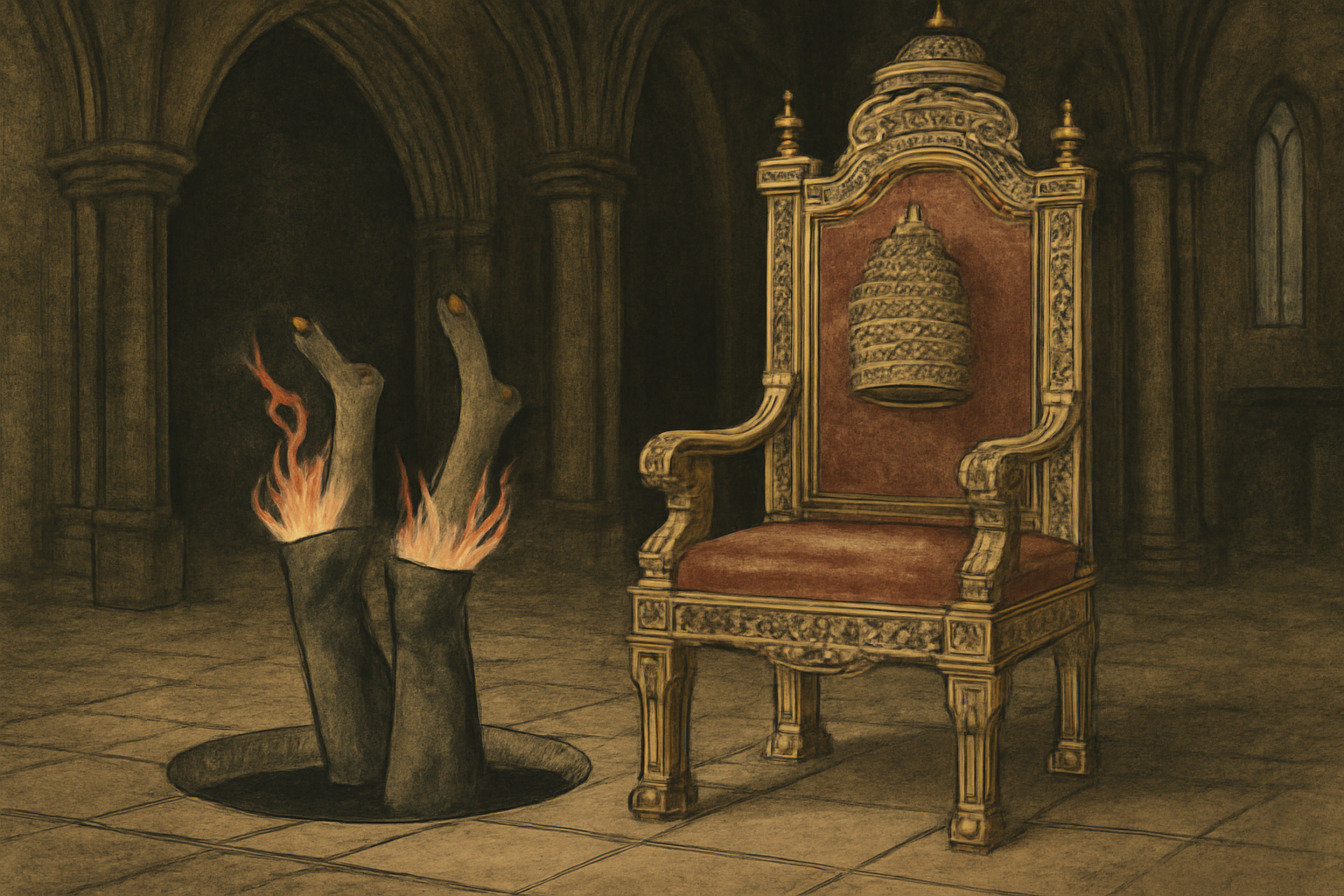
Boniface VIII: The Pope Dante Hated Most and How He Haunts the Commedia

Boniface VIII: The Pope Dante Hated Most and How He Haunts the Commedia

Dante Alighieri had a lot of enemies. But none burned hotter than Pope Boniface VIII. The pontiff ruled from 1294 to 1303—precisely when Dante’s life came apart. In 1302, Boniface backed the Black Guelphs, the political faction that exiled the poet from Florence. Dante never returned home. That wound never healed. But the personal betrayal … Read more