Words Dante Used That Modern Italian Lost: A Medieval Tuscan Vocabulary Guide

Words Dante Used That Modern Italian Lost: A Medieval Tuscan Vocabulary Guide

I learned the hard way that a modern Italian dictionary won’t help with half of Dante’s vocabulary. When I first tackled the Divine Comedy, I’d look up a word, find nothing, and panic. Then I’d discover it was perfectly common in 14th-century Tuscany. That gap between medieval Italian and modern Italian is where reading Dante … Read more
Dante’s Archaic Verbs: A Quick Guide to Medieval Tuscan Verb Forms

Dantes Archaic Verbs: A Quick Guide to Medieval Tuscan Verb Forms

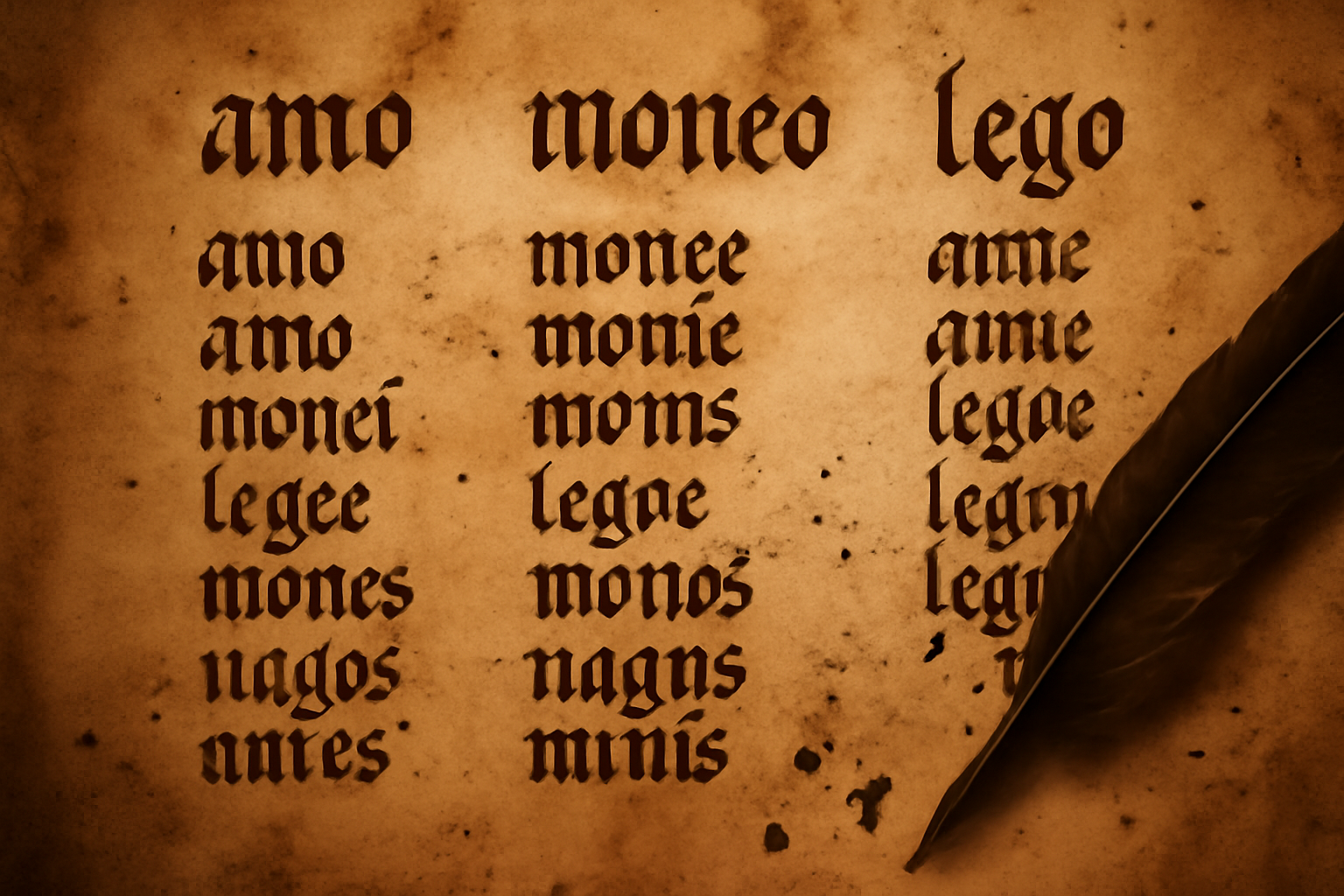
When I first opened the Commedia, I thought my Italian had failed me. Every third page threw unfamiliar verb forms at me. I encountered past tenses that didn’t match my textbook, contractions I’d never seen, conjugations that looked almost right but weren’t. I started keeping a list. Then I realized: these weren’t mistakes or dialect … Read more

A Pocket Guide to Dante’s Pronouns: Tu, Voi, and the Politics of Address

A Pocket Guide to Dantes Pronouns: Tu, Voi, and the Politics of Address

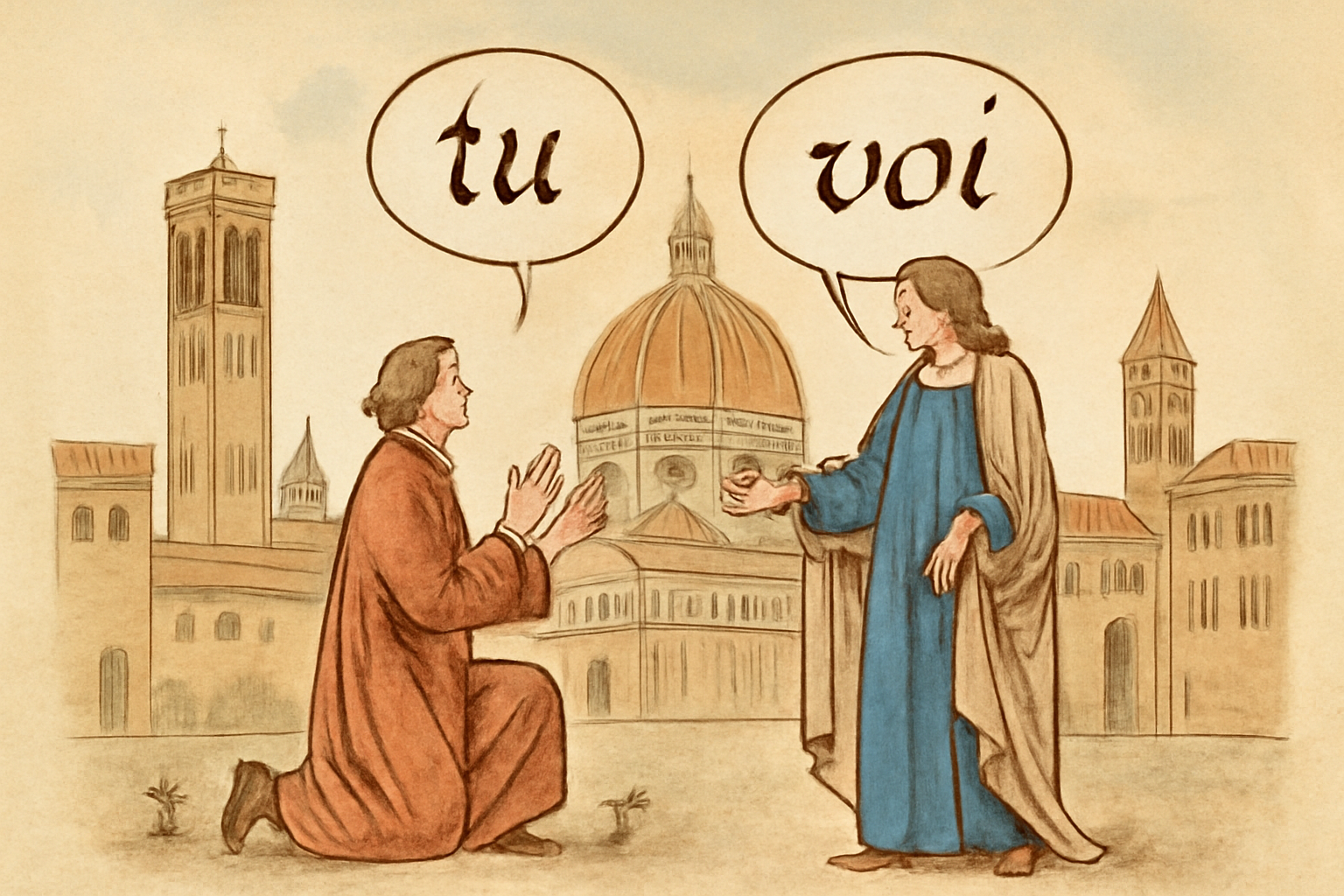
I didn’t realize how much drama was hidden in Dante’s pronoun choices until someone pointed it out. Now I can’t un-see it. Every time I reread the Commedia, I catch myself watching for those tiny Italian words—tu and voi—like they’re secret messages written in plain sight. And honestly? They are. In medieval Tuscan Italian, the … Read more

Can AI Translate Dante? Why a 100-Percent Accurate Translation Is Impossible

Can AI Translate Dante Why a 100-Percent Accurate Translation Is Impossible

I fed Inferno Canto 5 into ChatGPT last week. The model spat out a readable translation in about three seconds. It understood the Italian, caught the theological references, even approximated the terza rima rhyme scheme. For a study tool? Genuinely useful. For understanding Dante? That’s where the problem starts. People are doing this right now. … Read more