Virgil’s Confession — Inferno, Canto 4

Virgils Confession  Inferno 4

Virgil answers the question Dante hasn’t yet asked out loud — who are these souls? — and in the course of explaining admits, almost in passing, that he is one of them; then, asked whether anyone has ever left Limbo for good, he tells the only story in the poem of a rescue, describing its … Read more

Selva Oscura: Why the Dark Wood is More Than a Forest

Selva Oscura: Why the Dark Wood is More Than a Forest

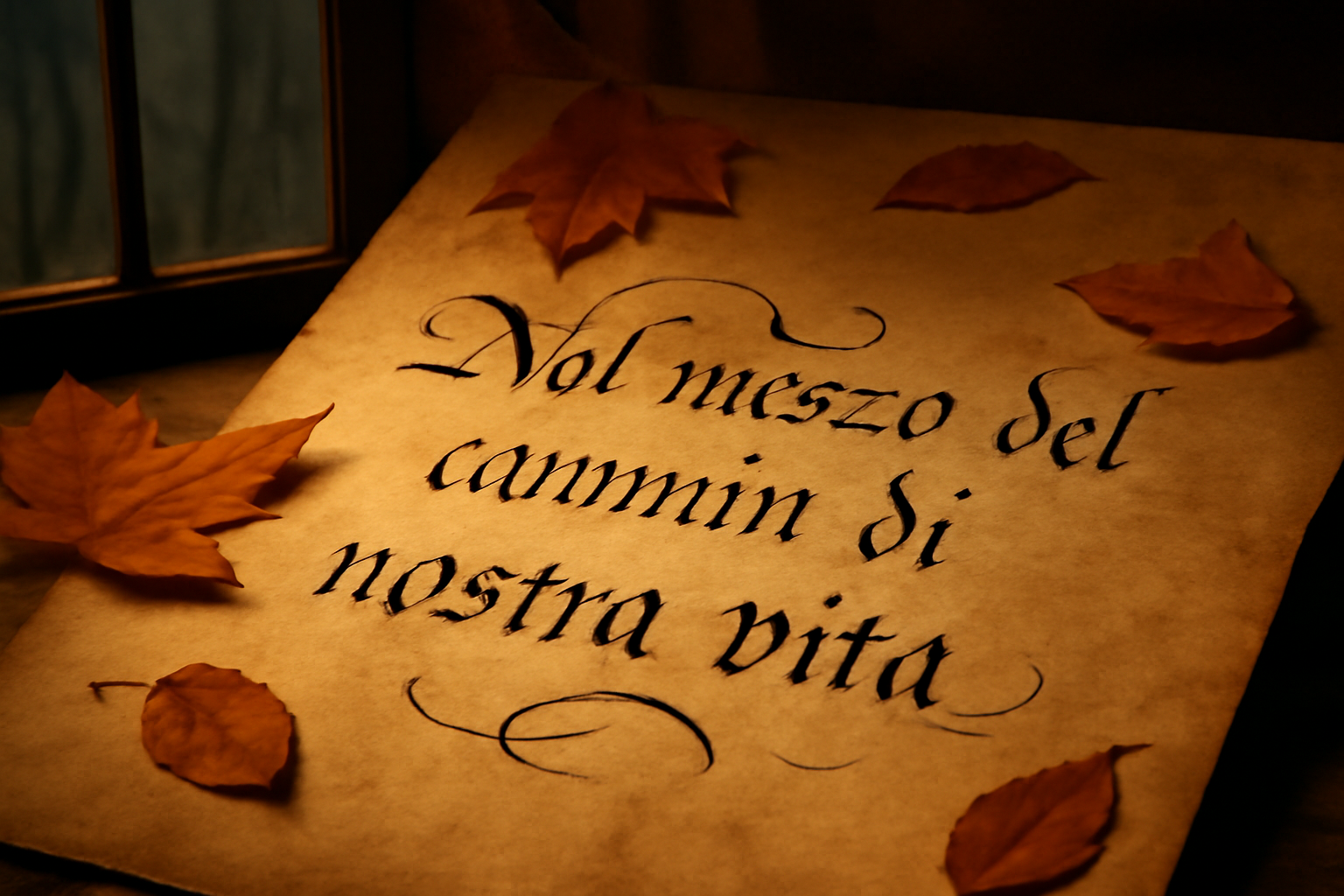
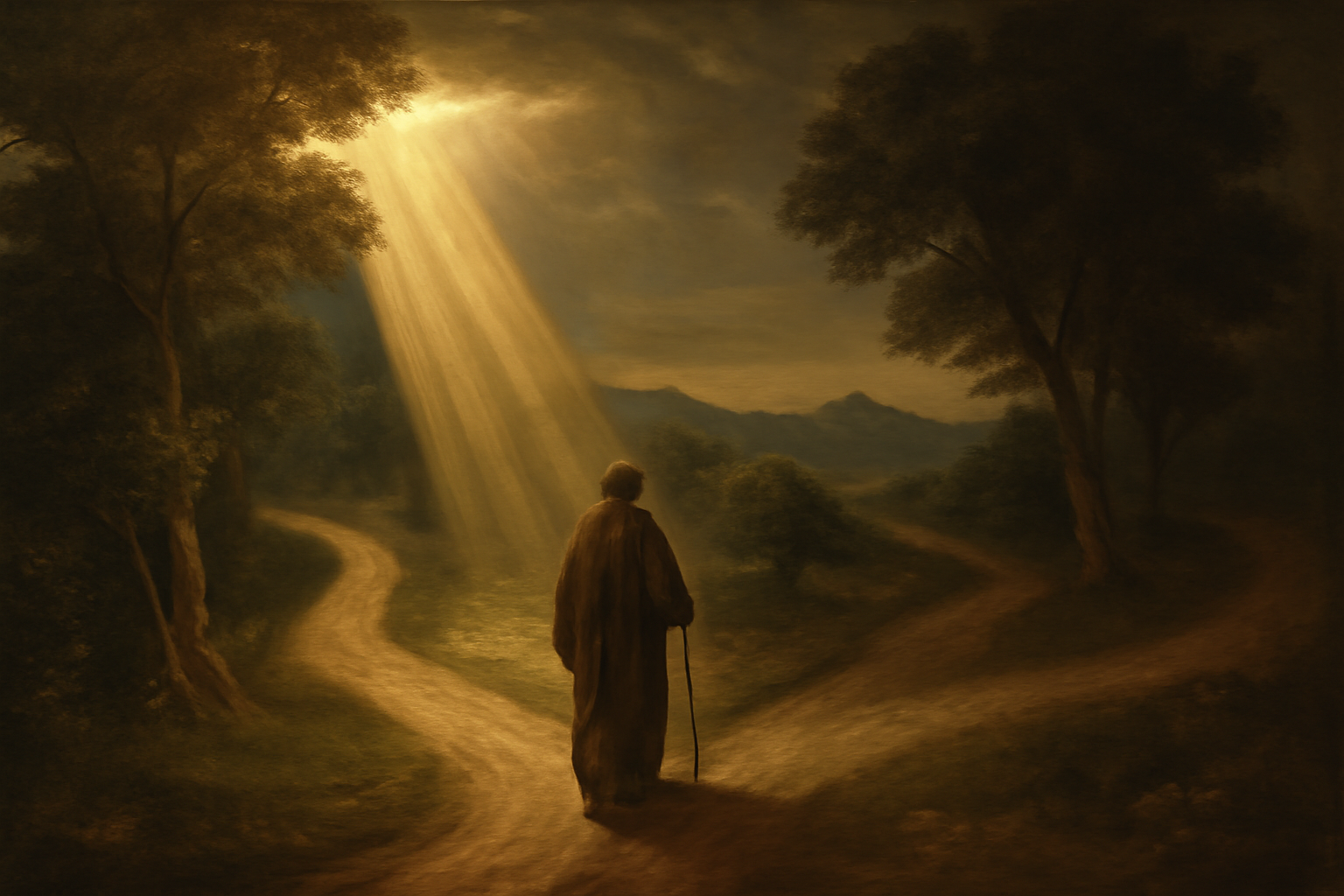
Lucy Bamboo on why three words in Dante’s opening line contain centuries of meaning—and why English can’t quite catch it. Dante’s first terza rima lands like a punch: “Nel mezzo del cammin di nostra vita / mi ritrovai per una selva oscura.” “In the middle of the journey of our life, I found myself in … Read more

Stars: Why Dante Ends Every Canticle with the Same Word

Stars: Why Dante Ends Every Canticle with the Same Word

Dante doesn’t do anything by accident. This principle—sacred to anyone who has spent time in the Commedia—becomes almost painfully obvious. Just look at what happens at the end of each canticle. Inferno closes with “stelle.” Purgatorio ends with “stelle.” Paradiso concludes with “stelle.” Three canticles. One final word. Repeated three times. The endings deserve quotation: … Read more

Nel Mezzo Del Cammin: What Dante’s First Line Really Means And Why Translators Disagree

Nel Mezzo Del Cammin: What Dantes First Line Really Means And Why Translators Disagree

Every Italian schoolchild knows these seven words by heart. They’re the opening of Dante’s Divine Comedy, the most famous line in Italian literature. Yet ask ten translators to render them into English, and you’ll get ten different poems. Nel mezzo del cammin di nostra vita — Dante Alighieri, Inferno, Canto I, Line 1 I’ve spent … Read more

The Ulysses Problem: Canto XXVI and What Gets Lost Between Italian and English

The Ulysses Problem: Canto XXVI and What Gets Lost Between Italian and English

Canto XXVI of Dante’s Inferno is a masterpiece of deliberate ambiguity. Every translation you read pushes you toward a different moral conclusion about the same text. That is not a bug in translation. It’s the feature that makes this canto endlessly alive. Years of returning to this circle of Hell—the Eighth Bolgia, where fraudsters dwell—have … Read more

Grace, Free Will, and Predestination: The Theological Debate Running Through the Commedia

Grace, Free Will, and Predestination: The Theological Debate Running Through the Commedia

By Lucy Bamboo Why does Dante place some souls in Paradise and others in Hell? The answer hinges on a medieval theological puzzle: How do grace and free will coexist? This tension shapes the poem’s architecture and defines who gets saved. The Problem Dante Inherited Dante follows Thomas Aquinas, the greatest medieval theologian. Aquinas insisted … Read more

Words Dante Used That Modern Italian Lost: A Medieval Tuscan Vocabulary Guide

Words Dante Used That Modern Italian Lost: A Medieval Tuscan Vocabulary Guide

I learned the hard way that a modern Italian dictionary won’t help with half of Dante’s vocabulary. When I first tackled the Divine Comedy, I’d look up a word, find nothing, and panic. Then I’d discover it was perfectly common in 14th-century Tuscany. That gap between medieval Italian and modern Italian is where reading Dante … Read more

Farinata degli Uberti: The Heretic Who Refused to Bow

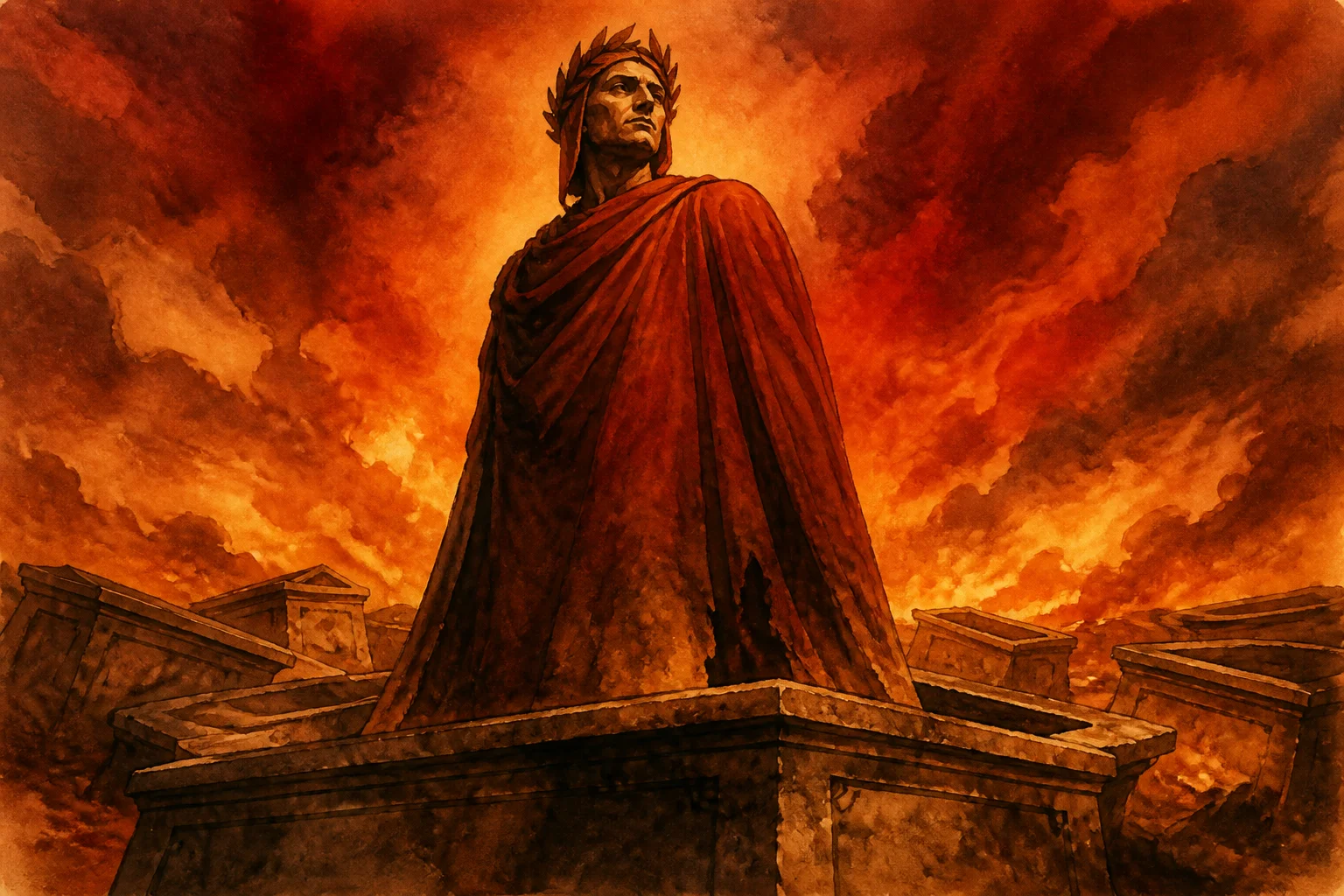
Farinata degli Uberti rising from his tomb in Dantes Inferno Canto X, proud and contemptuous

There are many memorable encounters in the Inferno, but few are as electrically charged as the moment in Canto X when a figure rises from a burning tomb to challenge Dante directly. He doesn’t ask for mercy. No weeping, no begging. He rises chest and brow erect — diritto s’ergea col petto e con la … Read more

Boniface VIII: The Pope Dante Hated Most and How He Haunts the Commedia

Boniface VIII: The Pope Dante Hated Most and How He Haunts the Commedia

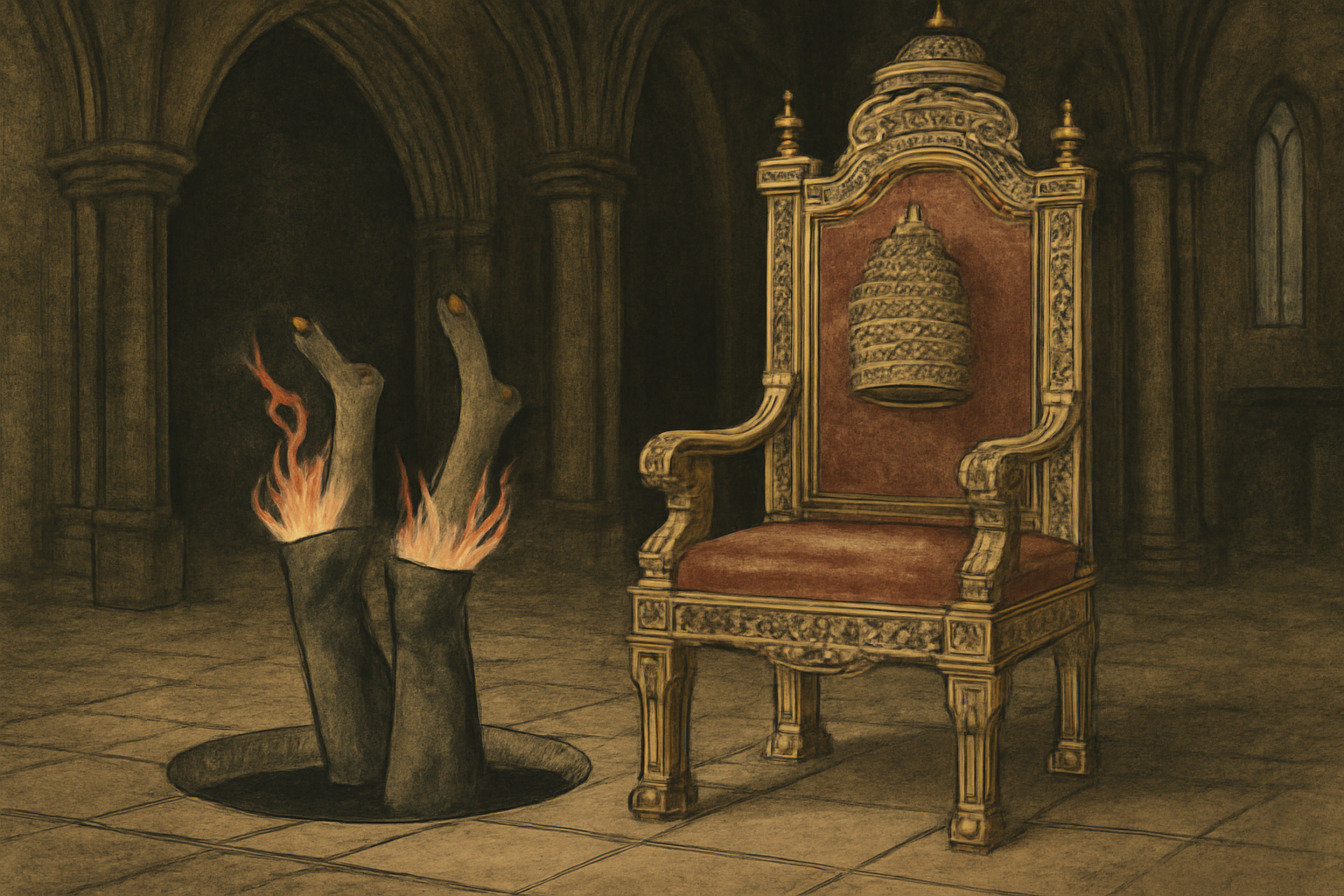
Dante Alighieri had a lot of enemies. But none burned hotter than Pope Boniface VIII. The pontiff ruled from 1294 to 1303—precisely when Dante’s life came apart. In 1302, Boniface backed the Black Guelphs, the political faction that exiled the poet from Florence. Dante never returned home. That wound never healed. But the personal betrayal … Read more