Dante’s Own Sons Wrote Commentaries on the Commedia And You Can Read Them for Free

Dantes Own Sons Wrote Commentaries on the Commedia  And You Can Read Them for Free

Imagine your father writes the greatest poem in your language. Now imagine sitting down to explain it to the world. That’s exactly what Pietro and Jacopo Alighieri did—and their commentaries are fully public domain. Dante died in 1321. Within a year, his sons were already interpreting the Divine Comedy. Their readers struggled with Dante’s medieval … Read more

Contrapasso Explained: The Moral Logic Behind Every Punishment in Dante

Contrapasso Explained: The Moral Logic Behind Every Punishment in Dante

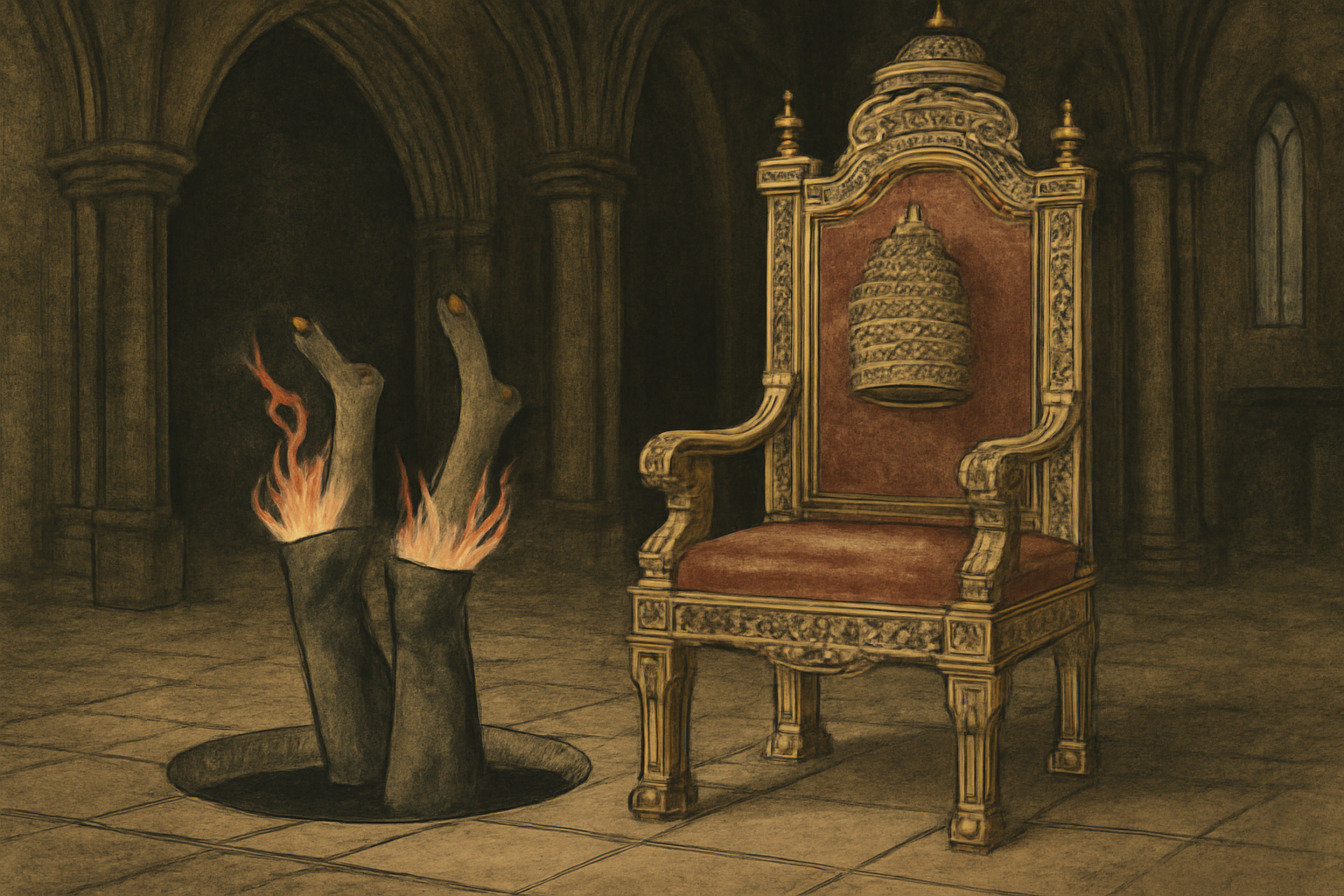
Contrapasso is the organizing principle of Dante’s Hell. The Inferno is not a warehouse of arbitrary torments, but a mirror of moral truth. Once you understand contrapasso, the entire architecture clicks into place. Every punishment doesn’t just fit the sin—it reveals what the sin actually was. The word itself comes from Latin: contra (against) + … Read more

From Longfellow to Mary Jo Bang: 150 Years of Translating the Inferno Into American English

From Longfellow to Mary Jo Bang: 150 Years of Translating the Inferno Into American English

Translations · 1800 words · Updated with expanded scholarship America’s Strange Obsession With Translating Dante Here is a paradox worth sitting with: the United States has produced more significant English translations of Dante’s Inferno than Britain, Australia, and Canada combined — despite having no medieval Catholic heritage, no Romance language in its founding culture, and … Read more

Boccaccio, Benvenuto, and the First Dante Scholars: Medieval Commentaries You Can Read Today

Boccaccio, Benvenuto, and the First Dante Scholars: Medieval Commentaries You Can Read Today

Dante died in 1321, but by the 1330s, something extraordinary was happening across Italian cities. Civic authorities hired scholars—publicly, formally—to lecture on the Divine Comedy to crowded rooms of paying listeners. No poem had ever demanded this kind of organized interpretation before. Within a few decades, four major commentaries emerged that would shape how readers … Read more

A Pocket Guide to Dante’s Pronouns: Tu, Voi, and the Politics of Address

A Pocket Guide to Dantes Pronouns: Tu, Voi, and the Politics of Address

I didn’t realize how much drama was hidden in Dante’s pronoun choices until someone pointed it out. Now I can’t un-see it. Every time I reread the Commedia, I catch myself watching for those tiny Italian words—tu and voi—like they’re secret messages written in plain sight. And honestly? They are. In medieval Tuscan Italian, the … Read more

Lost in Translation: Italian Words in Dante That Have No English Equivalent

Lost in Translation: Italian Words in Dante That Have No English Equivalent

Some of Dante’s most important words don’t have English equivalents. They sit in a gap between Italian and English, refusing to be pinned down. Every translator faces this gap, and every choice sacrifices something. This isn’t a failure of English. It’s an invitation to wonder: what does a language reveal by what it CAN’T say? … Read more

Guelph vs. Ghibelline: A Free Crash Course in the Political War Behind the Commedia

Guelph vs. Ghibelline: A Free Crash Course in the Political War Behind the Commedia

Here’s a secret about Dante’s Commedia: half the people he torments in Hell or praises in Paradise are there because of a political war most English readers have never heard of. Understanding Guelphs versus Ghibellines unlocks dozens of passages that otherwise feel baffling. This wasn’t ancient history to Dante—it was his life. It destroyed his … Read more

Ogne, Etterno, Ne La: Spelling Differences Between Dante’s Italian and Modern Italian

Ogne, Etterno, Ne La: Spelling Differences Between Dantes Italian and Modern Italian

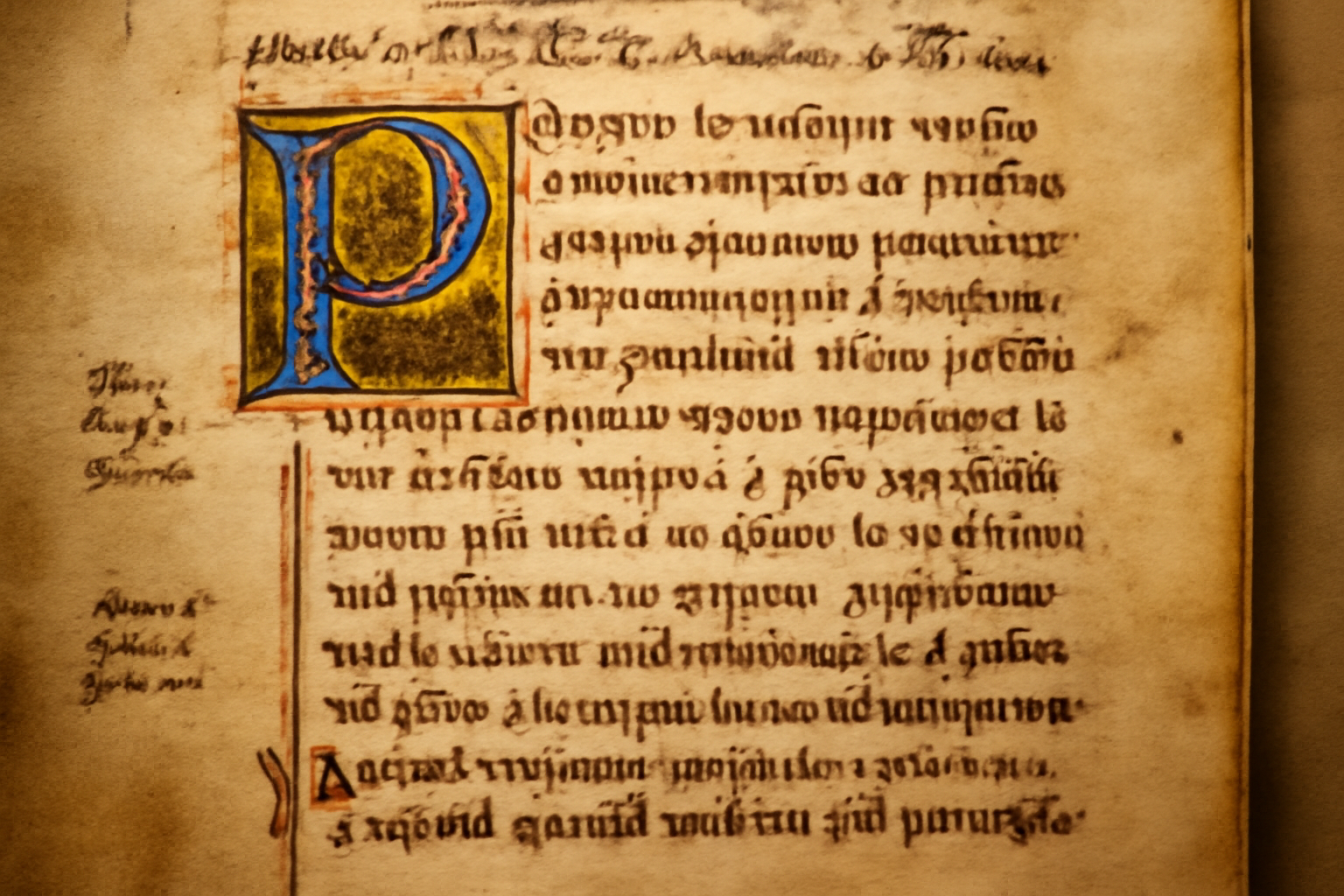
When I first opened the Divine Comedy, the spelling stopped me cold. Words I recognized suddenly looked foreign. “Ogne” instead of “ogni.” “Etterno” stretched across the page. Once I learned to see these patterns, the text opened up. What seemed like chaos was actually consistent medieval Tuscan orthography—14th-century Florentine, to be precise. These aren’t errors. … Read more

The Boatman of Acheron — Inferno, Canto 3

The Boatman of Acheron  Inferno 3

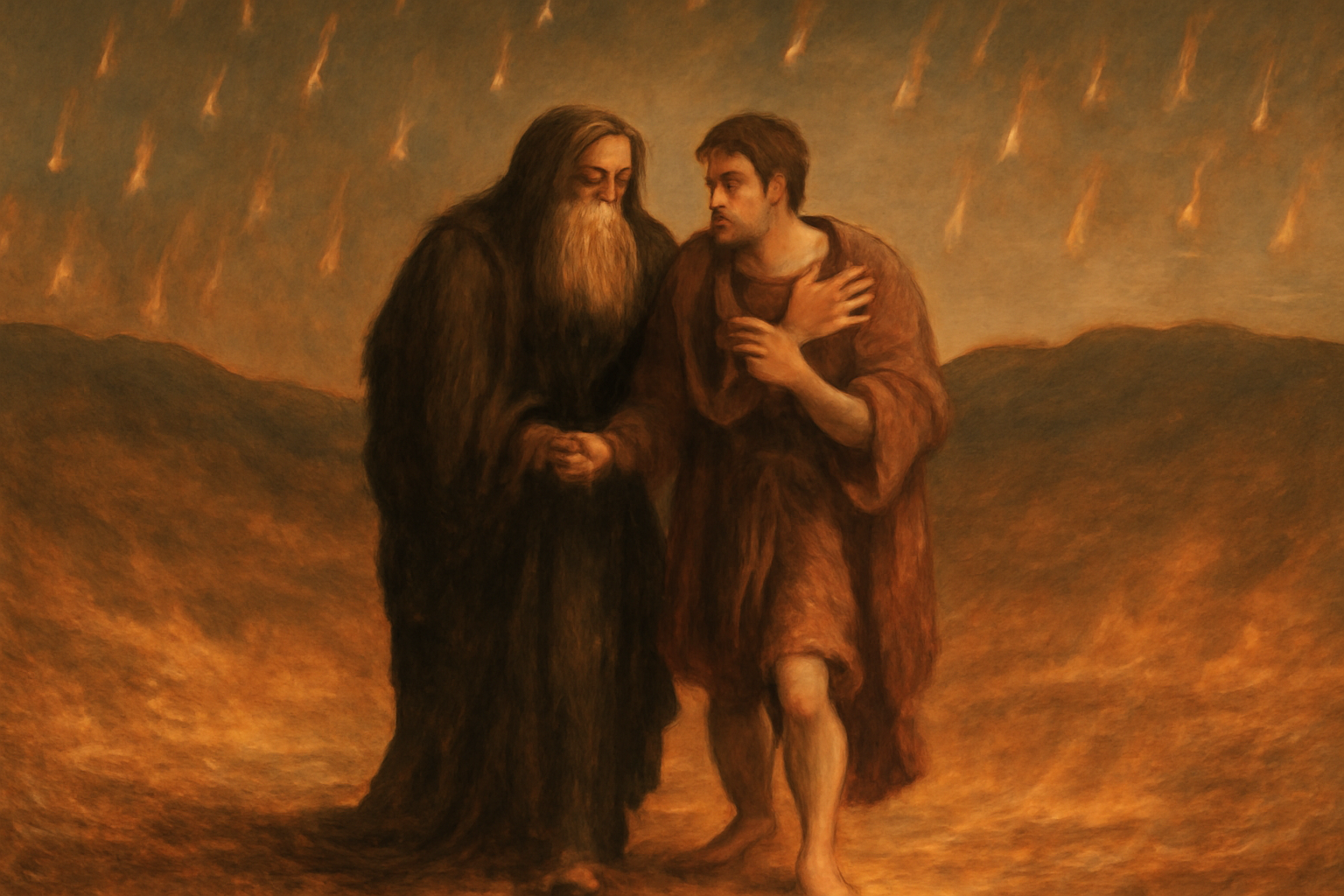
At the river that marks the real boundary of Hell, an ancient ferryman takes one look at Dante and refuses to let him aboard — and it takes a single unexplained couplet from Virgil to change his mind. Inferno · Canto 3 · Lines 70–136 · Scene 9 DIVINE COMEDY · SCENE 9InfernoCanto 3 of … Read more