Is God Judgemental?

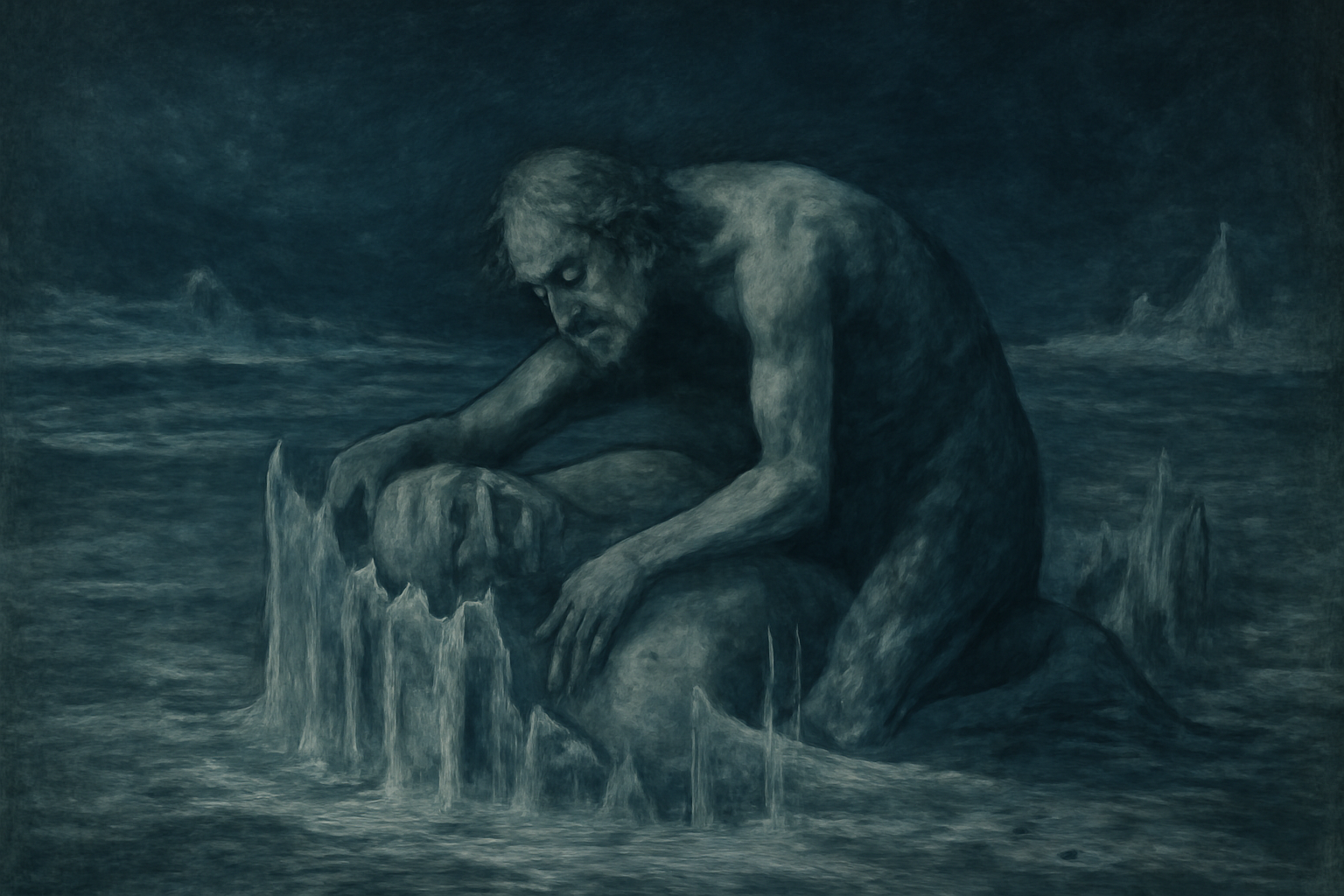
We’ve been taught to ask whether God is loving. The ruder question — the one Dante actually stages, in granular architectural detail, for every reader who has ever cracked open the Inferno — is whether a God who designed Hell could possibly be. Not Hell as vague backdrop to a morality tale, but Hell as … Read more

What is Faith?

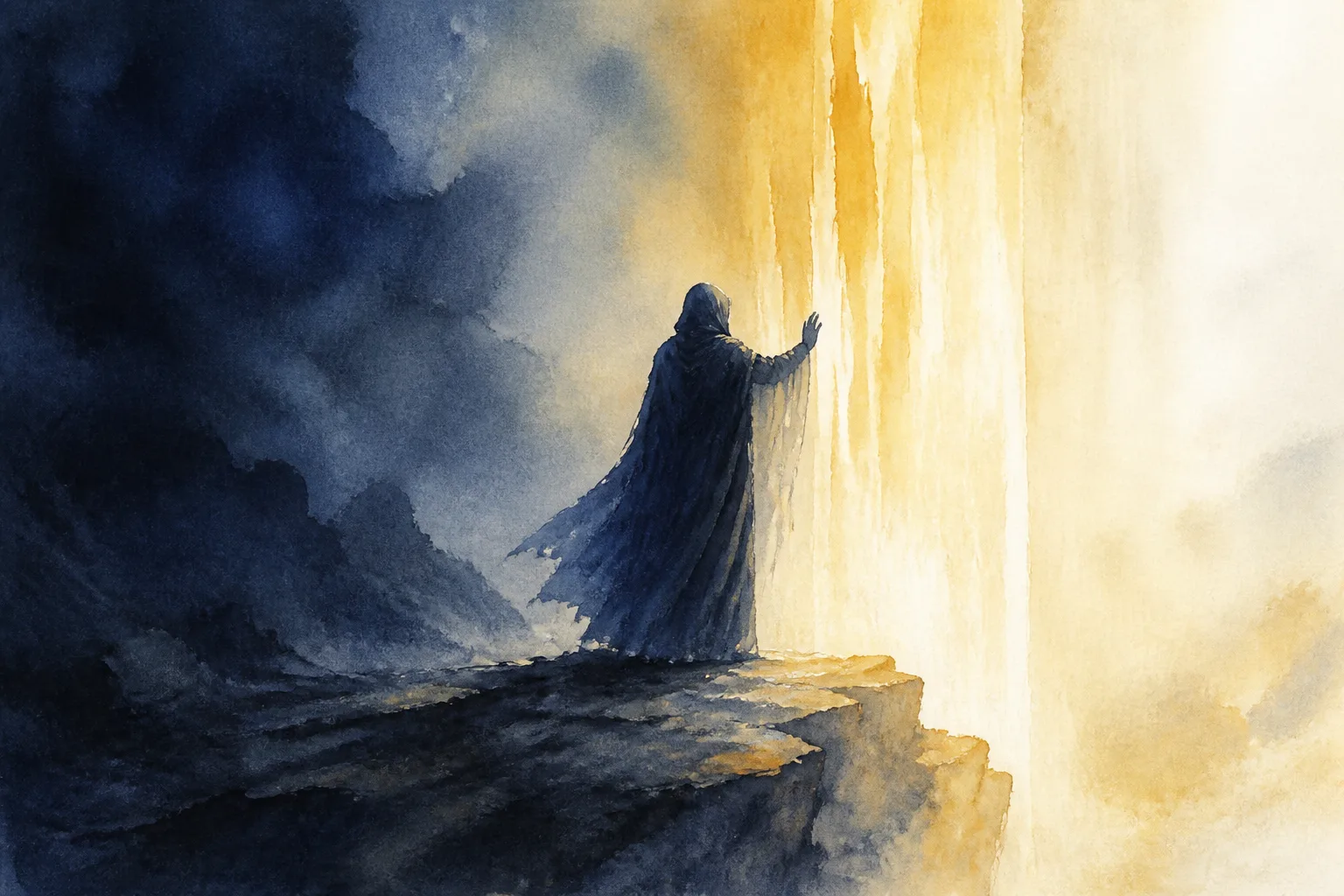
What is faith — a figure in watercolor reaches toward golden light at the threshold between reason and the unmappable

Faith, in the version most people inherit, is the assumption you start from — the floor you stand on before any of the hard questions begin. Dante’s poem says something harder: faith is what’s left over after thinking has gone as far as it can and discovers it isn’t far enough. That’s not comfort. That’s … Read more

The Three Beasts — Inferno, Canto 1

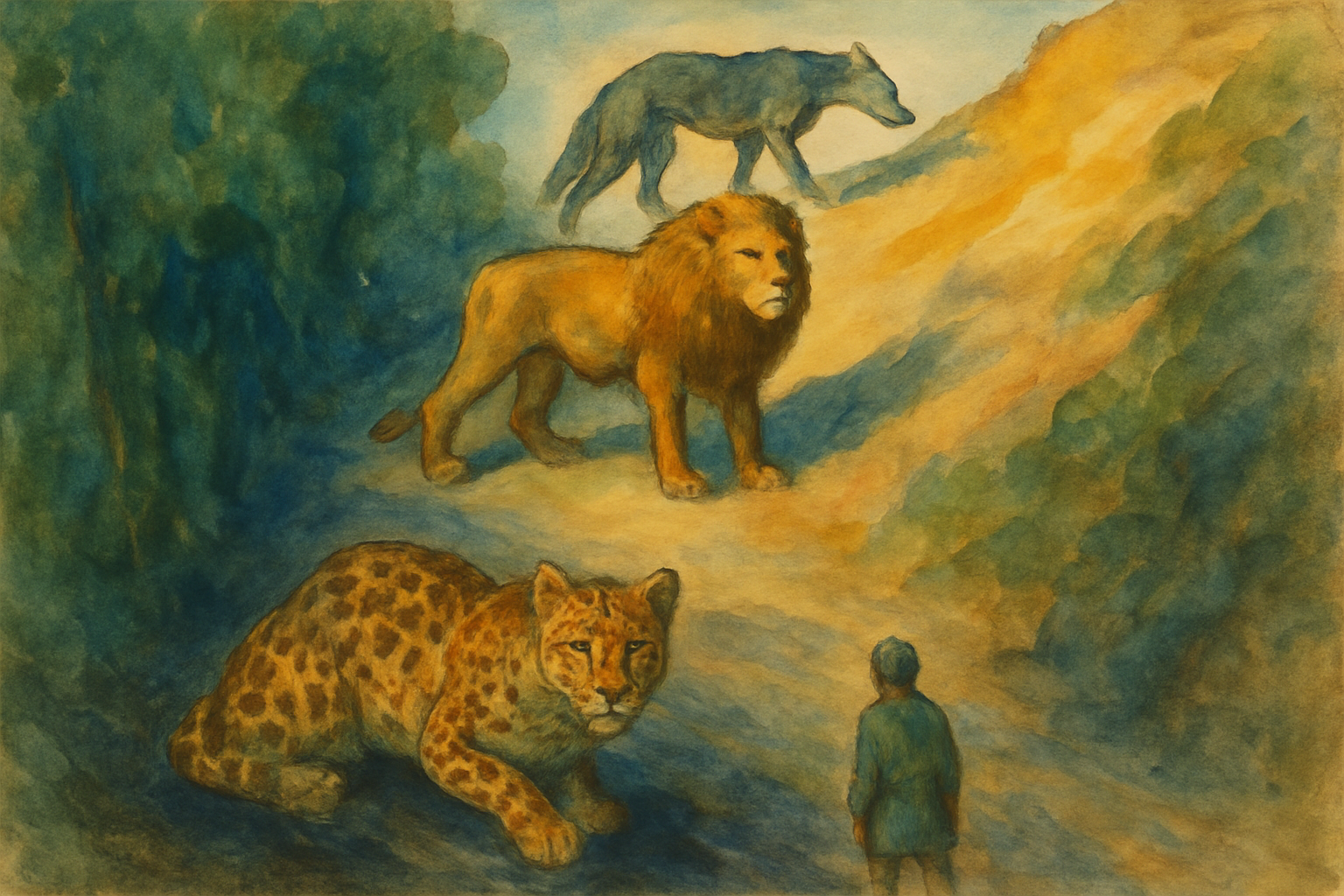
The Three Beasts  Inferno 1

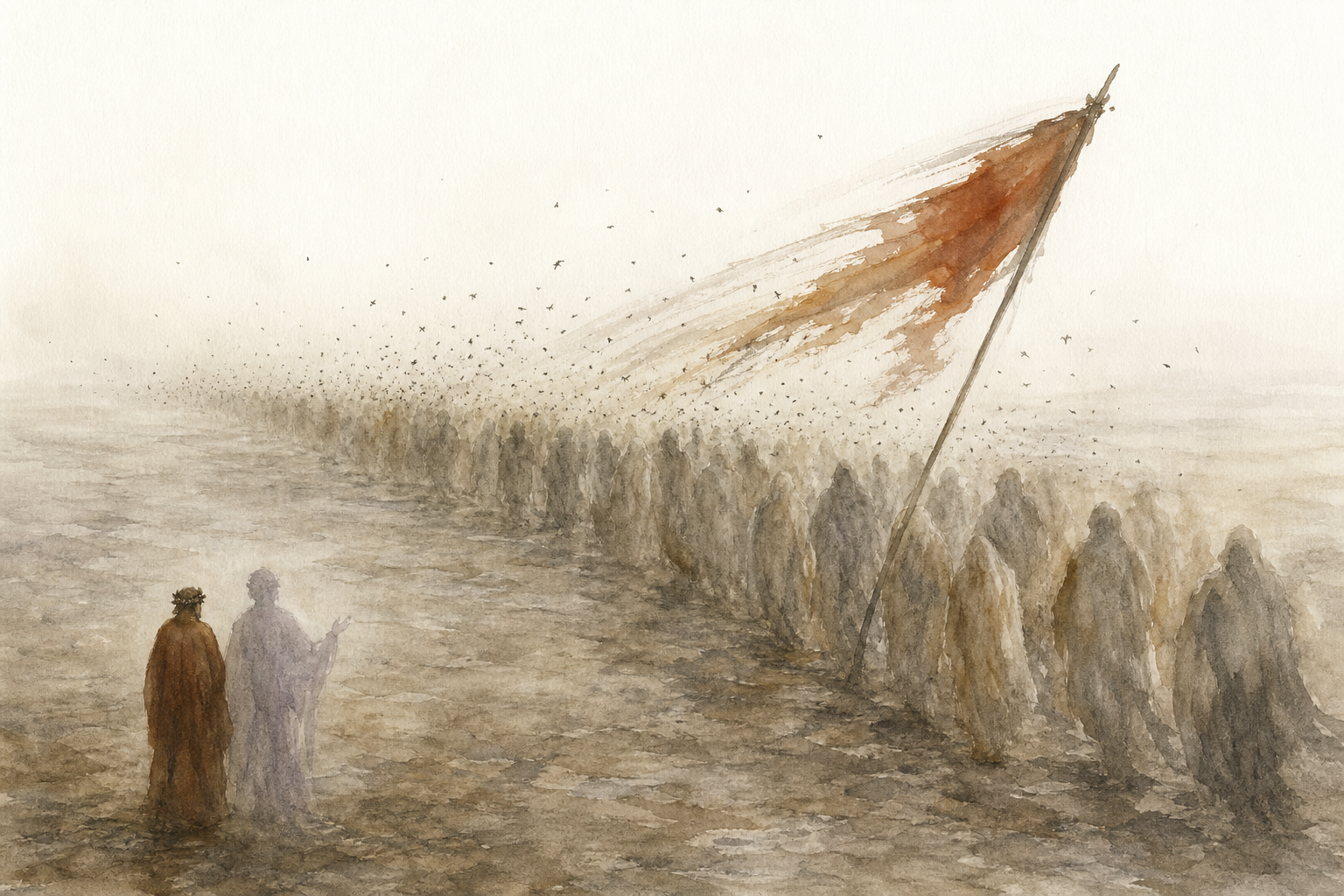
The hill is visible, and for a moment the path seems clear. Then the beasts appear. A spotted cat — the lonza, whose Italian name has no certain English equivalent — blocks the way first. A lion follows. The she-wolf comes last and is the worst: she fills Dante with such dread that he loses … Read more

The Gate of Hell — Inferno, Canto 3

The Gate of Hell  Inferno 3

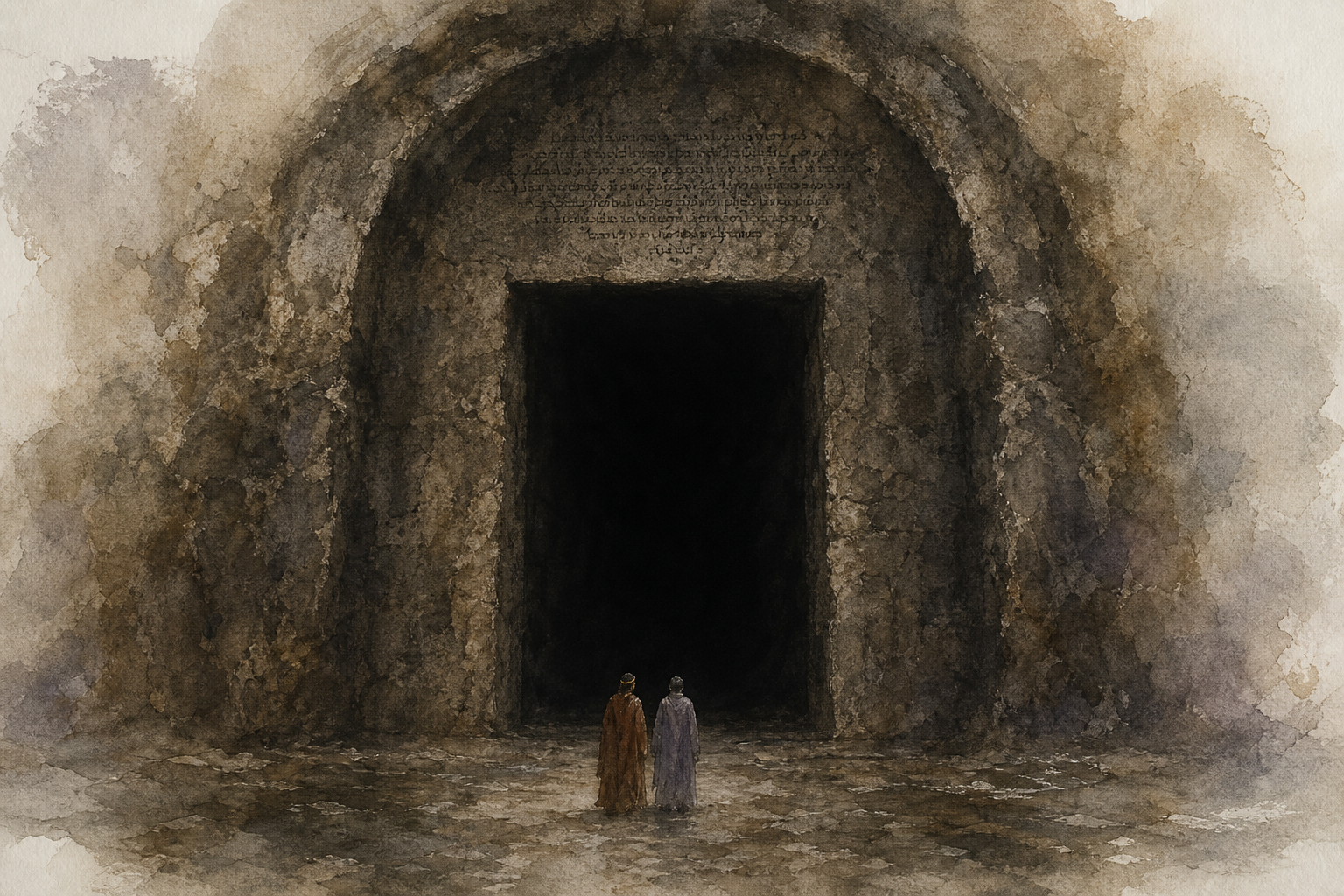
The gate speaks first. Nine lines of self-description in the first person — built by Power, Wisdom, and Primal Love — end with the instruction to abandon all hope. Dante reads them and tells Virgil they are hard. Virgil’s reply is the opposite of hard: here you must leave all hesitation behind. That the entrance … Read more

The New Resolve — Inferno, Canto 2

The New Resolve  Inferno 2

Canto 2 is the poem’s first crisis of nerve. Dante has agreed to go; lines 10–42 record his immediate reversal. Lines 109–142 record the recovery — Virgil finishes his account of Beatrice’s mission, presses Dante with three rapid questions, and something shifts. The flower simile at line 127 is where the passage becomes genuinely difficult: … Read more

Beatrice in Limbo — Inferno, Canto 2

Beatrice in Limbo  Inferno 2

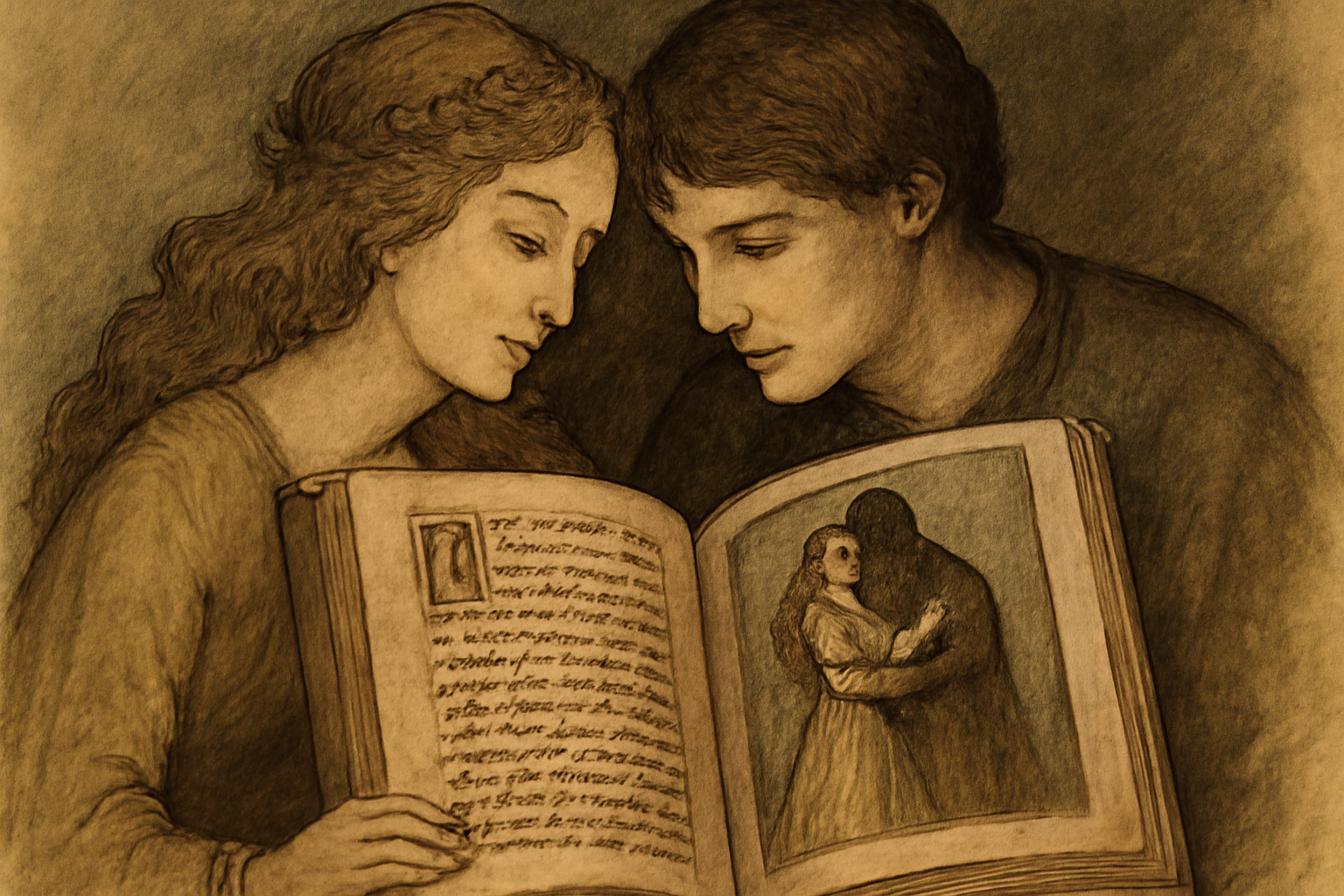
Virgil’s account of why he came to the dark wood takes up most of this passage, organized around a chain of mercy working downward from Heaven: an unnamed noble lady was moved to grief, sent Lucy, who went to Beatrice, who crossed from her place beside Rachel in Heaven to find Virgil and ask him … Read more

What Did the Divine Comedy Bring to the World?

Ask what a poem gave the world and you usually get a reading list. Dante’s case is stranger. He didn’t just influence writers — he handed eighty million people the language they currently think in. That’s the concrete version. The more unsettling versions go deeper: a picture of the afterlife that quietly overwrote scripture in … Read more

Dante’s Doubt — Inferno II

Dantes Doubt  Inferno 2

Canto 2 opens at nightfall — all creatures at rest, Dante alone still burdened — and immediately retracts the assent given at the end of Canto 1. He agreed to follow Virgil. Now he needs to know why he specifically should make this journey. Two precedents exist: Aeneas descended to serve the founding of Rome, … Read more

In a World of Darkness, Where Is the Light?

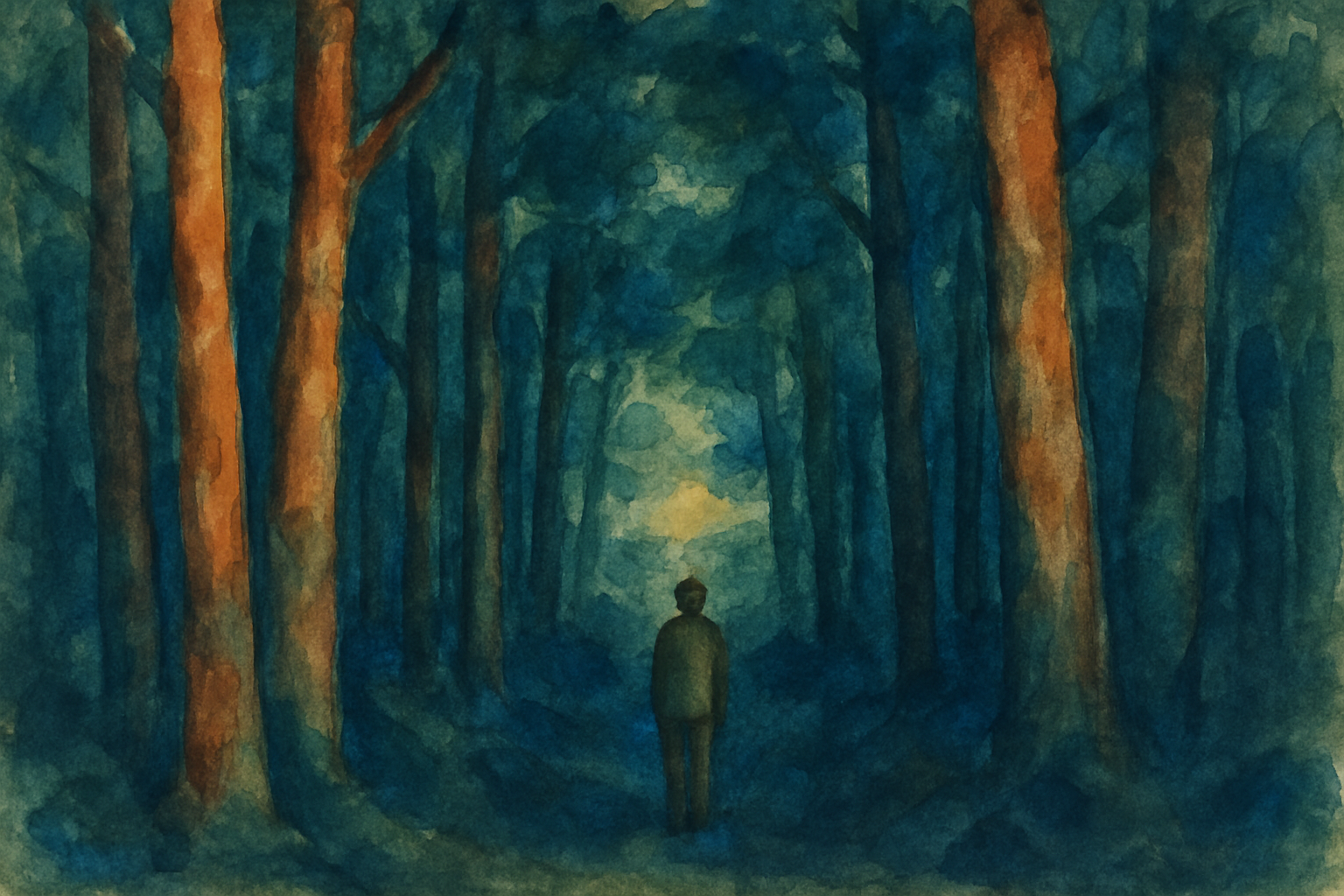
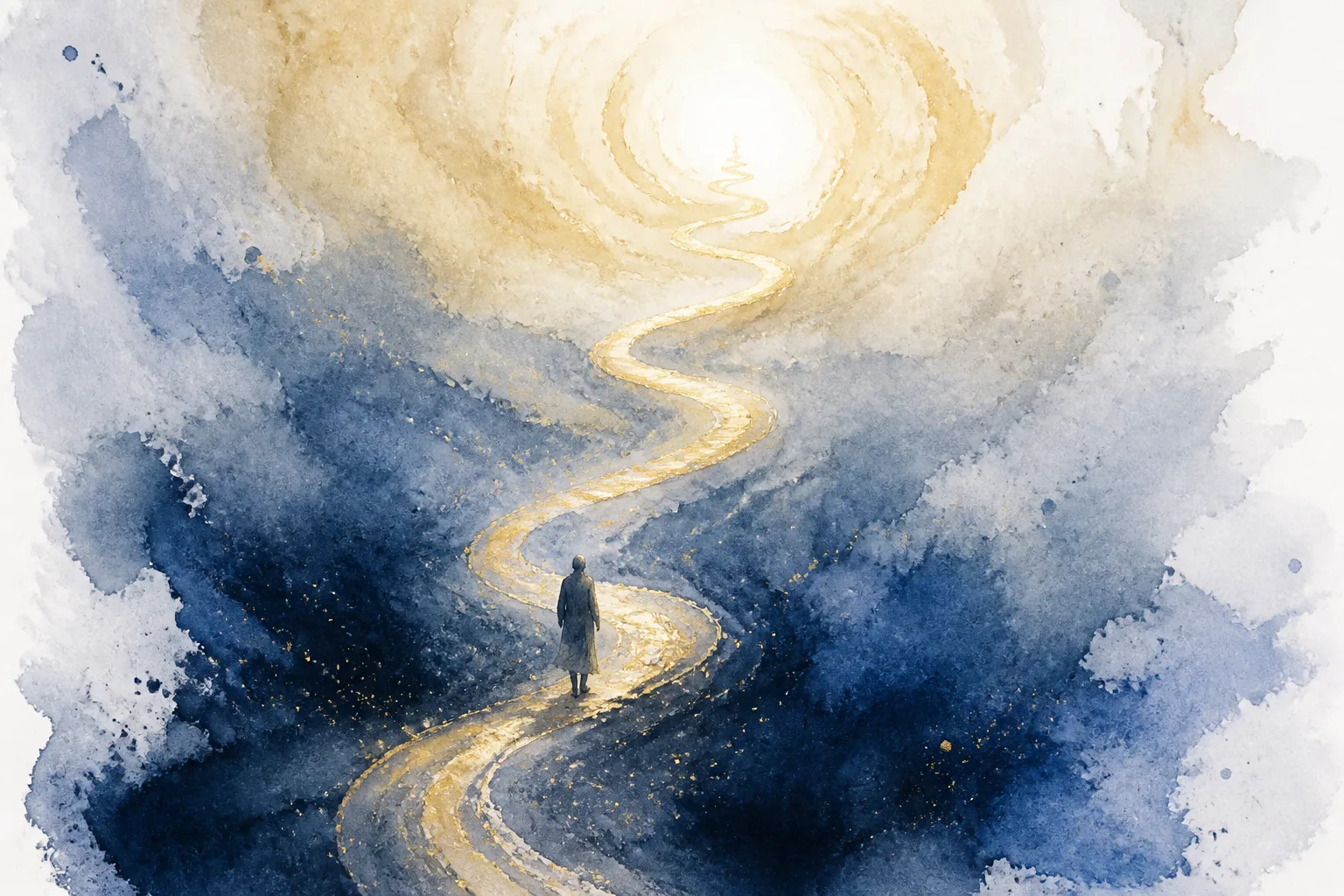
Lone figure in Dante dark wood selva oscura looking toward a distant light on a hillside

Nobody plans to end up in the dark wood. That’s what makes it a wood and not a road. You look up one ordinary afternoon and the path you were sure you were on is simply gone. Dante’s first line announces this quietly, almost without ceremony: nel mezzo del cammin di nostra vita — midway … Read more

“Se non etterne, e io etterno duro”: Translating the Hardest Line on Hell’s Gate

Ancient stone gate representing the eternal Gate of Hell from Dante Inferno Canto III se non etterne

Most readers remember “Abandon all hope” — the last line of the inscription on Hell’s gate in Canto III. Few stop on the line that precedes it, the one that is, in some ways, the most philosophically and theologically dense of the nine: Dinanzi a me non fur cose create se non etterne, e io … Read more